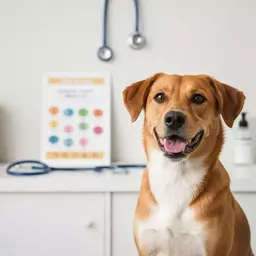
Preventive Care Checklist for Dogs
As you embark on the rewarding journey of dog ownership, understanding preventive care sets the foundation for a long and healthy life for your furry friend. This vital knowledge equips you with the ability to make proactive decisions that can significantly enhance your pet's well-being.
What You Will Learn
- Preventive care significantly reduces the risk of serious health issues in dogs.
- Key components of a preventive care plan include routine vet check-ups, vaccinations, and nutritional management.
- Awareness of breed-specific health challenges helps in taking proactive preventive measures for your dog.
- Establishing a personalized health plan fosters a stronger bond between you and your canine companion.
Key Preventive Strategies for Your Dog's Health
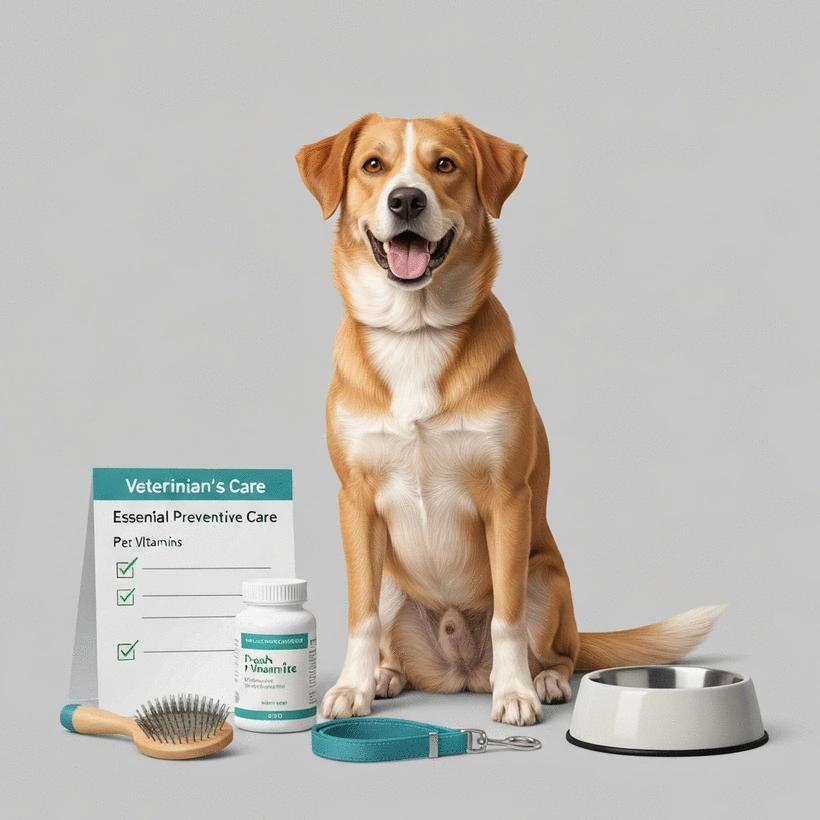
Proactive care ensures a long, vibrant life for your furry friend. The visual below summarizes the essential strategies for optimal canine health.
Routine Veterinary Check-ups
Vaccination Schedules
Tailored to your dog's needs
Parasite Prevention
Fleas, ticks, and heartworms
Balanced Diet & Exercise
Breed-specific regimen
Grooming & Dental Care
Maintain overall wellbeing
Understanding Preventive Care for Your New Dog
Bringing a new dog into your home is an exciting journey, but it also comes with responsibilities that can impact their health and happiness. Understanding preventive care is crucial for ensuring your furry friend lives a long, healthy life. At Canine Health Guide, I believe that informed dog owners can make proactive decisions that lead to better outcomes for their pets. So let’s dive into why preventive care matters and what you need to know!
Why Preventive Care Matters for Dog Owners
Preventive care is about more than just avoiding vet visits; it’s about actively supporting your dog’s well-being. By investing time and resources into preventive measures, you can catch potential health issues before they become major problems. This not only decreases the chances of emergency situations but also saves you money in the long run!
- Reduces the risk of serious health issues
- Enhances the quality and longevity of your dog's life
- Creates a stronger bond between you and your pet
As a veterinarian with over a decade of experience, I can tell you that dogs thrive in environments where their health is prioritized. Preventive care helps you to not only understand your dog’s needs but also to act on them, making you a more responsible pet owner. The American Veterinary Medical Association (AVMA) emphasizes that preventive pet healthcare is crucial for maintaining your pet's overall well-being and can significantly improve their quality of life.
Key Components of Preventive Care
There are several key elements that make up a comprehensive preventive care plan for your dog. These components work together to keep your pet healthy and happy:
- Routine veterinary check-ups
- Proper vaccination schedules
- Nutritional management
- Regular dental and grooming care
- Parasite prevention strategies
By focusing on these areas, you can create a robust health plan that addresses your dog’s unique needs. Each of these components plays a vital role in not only preventing illnesses but also enhancing your dog's overall quality of life. The American Animal Hospital Association (AAHA) provides comprehensive preventive healthcare guidelines for dogs, outlining these essential components in detail.
Understanding Canine Health: Common Issues and Preventative Measures
Many dog breeds face specific health challenges, and understanding these can help you take proactive steps for your pet. Common health issues include obesity, dental disease, and joint problems. Here are some preventative measures to consider:
- Maintain a balanced diet to prevent obesity
- Implement a dental care routine to prevent periodontal disease
- Incorporate joint supplements for breeds prone to arthritis
By being aware of these potential issues, you can act early and implement measures to keep your dog feeling their best. Remember, the goal is not just to react to health problems, but to prevent them from arising in the first place! VCA Hospitals also offers valuable insights into preventive health care guidelines for dogs, providing detailed information on various common issues and how to mitigate them.
Frequently Asked Questions About Dog Preventive Care
We Want to Hear From You!
What preventive care strategies are you most excited to implement for your new dog? Share your thoughts below:
Recap of Preventive Care for New Dog Owners
As we’ve explored, preventive care is the cornerstone of a happy and healthy life for your dog. It’s not just about treating issues as they arise; it’s about taking proactive steps to avoid them altogether. By understanding and implementing key preventive strategies, you can help ensure that your furry friend enjoys a long, vibrant life by your side.
Here’s a summary of the key preventive strategies we've discussed:
- Regular veterinary check-ups for early detection of health issues
- Vaccination schedules tailored to your dog's needs
- Effective parasite prevention methods, including fleas, ticks, and heartworms
- A balanced diet and exercise regimen designed specifically for your dog's breed
- Routine grooming and dental care to maintain overall well-being
By familiarizing yourself with these elements, you’re not just preparing yourself; you’re also setting your dog up for success. Remember, knowledge is power, and as dog owners, we should always strive to learn more for the sake of our beloved companions!
How to Use This Guide to Keep Your Dog Healthy
Utilizing this guide effectively means incorporating these preventive strategies into your daily routine. Start by establishing a timeline for your dog's vaccinations based on the core vaccines we discussed. Make a note to schedule annual wellness exams with your veterinarian—think of it as a yearly health check for your furry family member!
In addition, consider creating a personalized health plan for your dog that includes dietary adjustments, exercise schedules, and grooming needs. It can be incredibly beneficial to have a written record of what works best for your pet. This not only keeps you organized but also ensures that everyone in your household is on the same page regarding care.
Next Steps for Responsible Dog Ownership
Finding the Right Veterinarian for Your Pet
Choosing a veterinarian can feel overwhelming, but it’s an essential part of being a responsible dog owner. Look for someone who shares your values and understands your dog's specific needs. I recommend visiting a few clinics to get a feel for their approach to care. Ask about their experience with different breeds, as some veterinarians may specialize in certain areas.
Consider these key points when searching for a vet:
- Credentials and experience in canine healthcare
- Availability for emergencies and after-hours care
- Quality of staff and facility
- Reputation among local dog owners
Once you find a vet you trust, your dog’s health will be in great hands!
Pet Wellness Plans: Creating a Long-term Health Strategy
Pet wellness plans can be a great way to manage your dog’s healthcare costs while ensuring they receive all necessary preventive care. Many veterinary clinics offer these plans, which typically include routine check-ups, vaccinations, and flea/tick treatments at a bundled rate. It's like investing in peace of mind!
When considering a wellness plan, keep these factors in mind:
- Coverage for essential services like vaccinations and preventive medications
- Flexibility to adjust as your dog ages or their needs change
- Cost-effectiveness compared to paying for services individually
A comprehensive wellness plan can alleviate financial stress and ensure your dog stays healthy!
Downloadable Checklist for New Dog Owners
To further assist you on your journey, I’ve created a handy downloadable checklist for new dog owners. This checklist includes everything from essential vaccinations and preventive care measures to daily routines that will help you keep your dog healthy and happy.
Be sure to download it and keep it somewhere accessible, so you can refer to it as needed. After all, being prepared is part of being a responsible pet parent!
Recap of Key Points
Here is a quick recap of the important points discussed in the article:
- Regular veterinary check-ups for early detection of health issues.
- Vaccination schedules tailored to your dog's needs.
- Effective parasite prevention methods, including fleas, ticks, and heartworms.
- A balanced diet and exercise regimen designed specifically for your dog's breed.
- Routine grooming and dental care to maintain overall well-being.