Prevent Dog Separation Anxiety Training
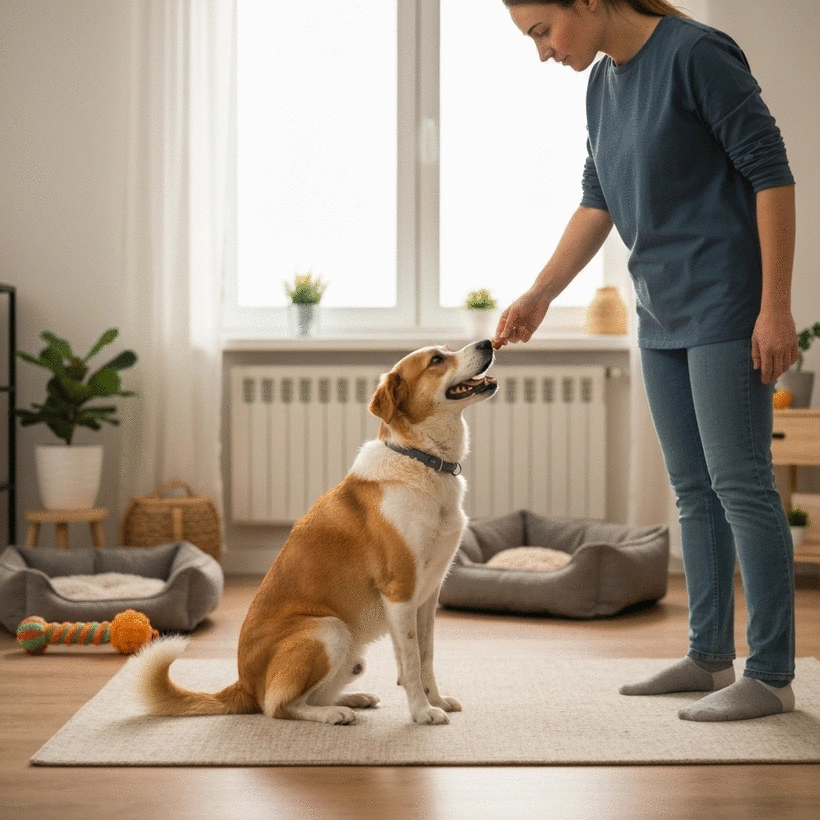
Understanding your dog's emotional needs can transform their behavior and your relationship. With separation anxiety affecting countless dogs, recognizing the signs and implementing effective strategies is crucial. Are you ready to learn how to support your furry friend?
What You Will Learn
- Separation anxiety in dogs is a behavioral disorder characterized by extreme distress when left alone.
- Common signs of separation anxiety include excessive barking, destructive behavior, and attempts to escape.
- Early identification of anxiety signs, such as pacing or refusing to eat, allows for timely interventions.
- Monitoring your dog's behavior through observation and video can help identify triggers and assess anxiety levels.
- Establishing a consistent training routine, including gradual absences and positive reinforcement, is essential for long-term success.
- Creating a positive home environment with quiet spaces and regular bonding activities can significantly reduce anxiety.
- Utilizing available resources, such as training courses and professional consultations, enhances understanding and support for your dog's needs.
Understanding and Managing Canine Separation Anxiety
Separation anxiety in dogs presents as extreme distress when left alone, impacting both pet and owner. Recognizing signs and implementing consistent training are key to fostering a secure environment. For more information on common canine health concerns, consider reading our guide on health issues in dogs explained.
Symptoms of Separation Anxiety
- • Excessive barking/whining
- • Destructive behaviors (chewing)
- • Attempts to escape
- • Inappropriate elimination
- • Pacing/restlessness
- • Following owner closely
Key Management Strategies
- • Short absences, gradually increase
- • Positive reinforcement
- • Counter-conditioning techniques
- • Consistent routine
- • Video monitoring
- • Journaling behaviors/triggers
Understanding Separation Anxiety in Dogs and Its Impact
As a veterinarian, I've seen how separation anxiety can profoundly affect dogs and their owners. It’s a common issue that can lead to destructive behaviors and emotional distress when a dog is left alone. Understanding this condition is the first step toward providing your furry friend the support they need!
Separation anxiety isn't just about your dog missing you; it involves a heightened state of stress. Many dogs may feel unsafe or insecure when they are separated from their owners, leading to feelings of panic. In this section, we'll explore what separation anxiety is, the signs to look for, and how it impacts your dog's overall well-being. Keeping a close eye on your dog's mental state is crucial, and you might find our article on recognizing depression in dogs helpful in identifying other emotional challenges.
What Is Separation Anxiety in Dogs?
Separation anxiety is a behavioral disorder where dogs experience extreme distress when left alone or separated from their owners. It can manifest in several ways, affecting both the dog and the household. Understanding this condition is crucial, as it allows us to address it effectively through proper training and management.
- Excessive barking or whining when you leave
- Destructive behaviors, like chewing furniture
- Attempts to escape from the home
- Inappropriate urination or defecation
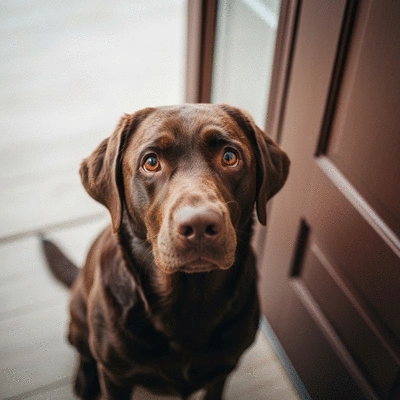
As a dog owner, recognizing the signs early can help you provide the right interventions. It’s essential to create a plan that includes training strategies tailored to your dog's unique needs.
Signs and Symptoms to Watch For
Being aware of the signs of separation anxiety can make a significant difference. Dogs experiencing this anxiety may show specific behaviors when they sense you're about to leave. Here are some common indications:
- Pacing or restlessness
- Following you around the house
- Refusing to eat or drink when alone
- Displaying signs of distress during your departure routine
These behaviors can escalate if not addressed, leading to more severe anxiety issues. As a dedicated pet owner, recognizing these signs allows you to seek help early on!
Common Dog Anxiety Symptoms to Recognize
Besides the overt signs mentioned, there are also subtle symptoms that may indicate your dog is struggling with anxiety. Look out for:
- Excessive drooling
- Panting without physical exertion
- Yawning or licking lips excessively
- Showing reluctance to play or engage
Early identification of these symptoms can lead to timely interventions. It’s all about empowering you, the pet owner, to create a happier, healthier environment for your furry companion!
Identifying Your Dog's Threshold for Anxiety
Understanding your dog's threshold for anxiety is essential to manage and prevent separation anxiety effectively. By observing their behaviors, you can identify what triggers their anxiety and how severe it might be. This process can take time, but it's crucial for developing an effective training plan.
Using Observation and Video Monitoring
Observation is a powerful tool when it comes to assessing your dog's anxiety levels. You might consider setting up a video camera to monitor how your dog behaves when you leave the house. This can provide valuable insights into their reactions and help you identify specific triggers.

- Take note of their behavior immediately after you leave.
- Observe how long it takes for them to settle down.
- Look for signs of distress, such as excessive barking or pacing.
With this information, you can create a tailored training approach that addresses your dog's unique anxiety triggers!
How to Determine When Anxiety Begins
Recognizing when your dog begins to feel anxious can be tricky. It often starts with subtle signs that may not seem concerning at first. Pay close attention to the following:
- Changes in body language, such as lowered ears or tucked tails
- Increased vocalization as you prepare to leave
- Unusual clinginess or following you closely
Documenting these behaviors can help you pinpoint the moments of rising anxiety, enabling you to work on preventing it before it escalates. For additional strategies on promoting a calm demeanor, explore natural ways to calm dogs.
Behavior Assessment Techniques for Dog Owners
Implementing behavior assessment techniques can significantly help you in understanding your dog's anxiety levels. Consider these methods:
- Keep a journal of their behaviors and triggers
- Utilize checklists for common anxiety signs
- Involve family members for more comprehensive observations
By actively engaging in this assessment, you're taking meaningful steps toward addressing your dog's separation anxiety. Remember, recognizing the issue is the first step to finding effective solutions!
Interactive Poll: Share Your Experience!
Have you noticed signs of separation anxiety in your dog? We want to hear from you! Please choose one of the options below:
Frequently Asked Questions About Canine Separation Anxiety
Here are some common questions about managing and understanding separation anxiety in dogs:
- What is separation anxiety in dogs?
- Separation anxiety is a behavioral disorder where dogs exhibit extreme distress when left alone or separated from their owners. This can manifest through various behaviors like excessive barking, destructive chewing, or inappropriate elimination.
- What are the common signs of separation anxiety?
- Key signs include excessive barking or whining, destructive behaviors (chewing, digging), attempts to escape, inappropriate urination or defecation, pacing, restlessness, and following the owner closely.
- How can I identify my dog's anxiety triggers?
- Observation and video monitoring are crucial. Pay attention to your dog's behavior immediately after you leave, how long it takes them to settle, and any signs of distress. Keeping a journal of behaviors and triggers can also be very helpful.
- What are effective training strategies for separation anxiety?
- Effective strategies include starting with short absences and gradually increasing the time, using positive reinforcement for calm behavior, employing counter-conditioning techniques to create positive associations with being alone, maintaining a consistent routine, and monitoring behavior.
- How can I create a positive home environment for my anxious dog?
- Provide a quiet, comfortable area for your dog to retreat, engage in regular play and bonding activities, use calming aids like soothing music or aromatherapy, and maintain a stable daily schedule. These practices help your dog feel safe and secure.
Consolidating Your Training Efforts for Long-Term Success
As we continue on this journey of helping our furry friends cope with separation anxiety, it’s essential to consolidating your training efforts. Reflecting on what we’ve practiced will empower you to create a consistent environment for your dog. Remember, training isn’t a one-time effort; it’s an ongoing process that requires dedication from both you and your dog!
Let’s review some key points from our training plan that are vital for long-term success:
- Start with short absences and gradually increase the time apart.
- Incorporate positive reinforcement to reward calm behavior.
- Use counter-conditioning techniques to create positive associations with being alone.
- Monitor your dog's behavior to assess their comfort levels.
- Maintain a regular routine to provide structure and security.
By focusing on these aspects, you’re setting a solid foundation for your dog’s emotional wellbeing. Remember, consistency will help reinforce these behaviors and create lasting change.
Maintaining Consistency and Patience
Consistency is the backbone of any successful training plan. Dogs thrive on routine, and by sticking to the guidelines we’ve discussed, you can help your pet learn to manage their anxiety effectively. It’s important to remain patient during this journey—every dog learns at their own pace.
Here are some tips to help you maintain consistency and patience:
- Stick to a daily routine for feeding, exercise, and training sessions.
- Communicate clearly and use the same commands consistently.
- Remain calm during training sessions; your dog can sense your energy.
- Celebrate small victories along the way to keep morale high.
- Adjust your expectations and be flexible with the pace of progress.
By keeping these strategies in mind, you’ll be well-equipped to foster a supportive environment for your dog. Remember, this is a journey that requires both of you to work together, and I’m here to support you along the way!
Final Thoughts and Next Steps for Dog Owners
As we wrap up our discussion, it’s crucial to emphasize the importance of creating a positive home environment. Your dog’s emotional health depends not just on training, but also on the atmosphere they live in. A harmonious home filled with love and understanding can make all the difference in their anxiety management.
Encouraging a Positive Home Environment
Fostering a supportive space will help your dog feel safe and secure. Here are some ways to encourage this positive atmosphere:
- Provide a quiet area where your dog can retreat when they feel overwhelmed.
- Engage in play and bonding activities regularly to strengthen your relationship.
- Use calming aids, such as soothing music or aromatherapy, to enhance relaxation.
- Maintain a stable schedule for daily activities.
By implementing these practices, you’re not only aiding your dog’s anxiety management but also building a deeper bond that enriches both your lives.
Resources for Continued Learning and Support
As your journey continues, it’s important to keep educating yourself and seeking support. There are a wealth of resources available to help you along the way. Here’s a list of options to consider:
- Explore online dog training courses and classes tailored to separation anxiety.
- Join local dog owner groups or online forums to share experiences and advice.
- Consult with professionals, such as veterinary behaviorists, when needed.
- Read books on dog behavior and training techniques to expand your knowledge.
Each of these resources can enhance your understanding and provide valuable support as you navigate your dog’s emotional needs. Remember, you’re not alone in this journey, and I’m here to help guide you through it! For a comprehensive guide on keeping your dog healthy, refer to our simple dog wellness routine guide.
Exploring Online Dog Training Courses and Classes
Online training courses can be a fantastic way to gain insights and practical techniques for addressing separation anxiety. Look for programs that focus on positive reinforcement and are led by experienced trainers. These courses often provide video demonstrations, which can be immensely helpful in visualizing training techniques.
Engaging in Bonding Activities to Strengthen Your Relationship
Don’t underestimate the power of play! Regular bonding activities, like fetch or puzzle-solving games, can strengthen your relationship with your dog. These shared moments not only create positive associations but also serve as a great outlet for stress relief for both you and your furry companion.
Recap of Key Points
Here is a quick recap of the important points discussed in the article:
- Separation anxiety in dogs is a behavioral disorder that causes extreme distress when left alone.
- Common signs include excessive barking, destructive behaviors, and attempts to escape.
- Early identification of symptoms can lead to timely interventions and better management of anxiety.
- Using observation and video monitoring can help assess your dog's anxiety triggers and behaviors.
- Consistency in training methods and a positive home environment are crucial for long-term success.