Dog Health: Urgent vs. Routine
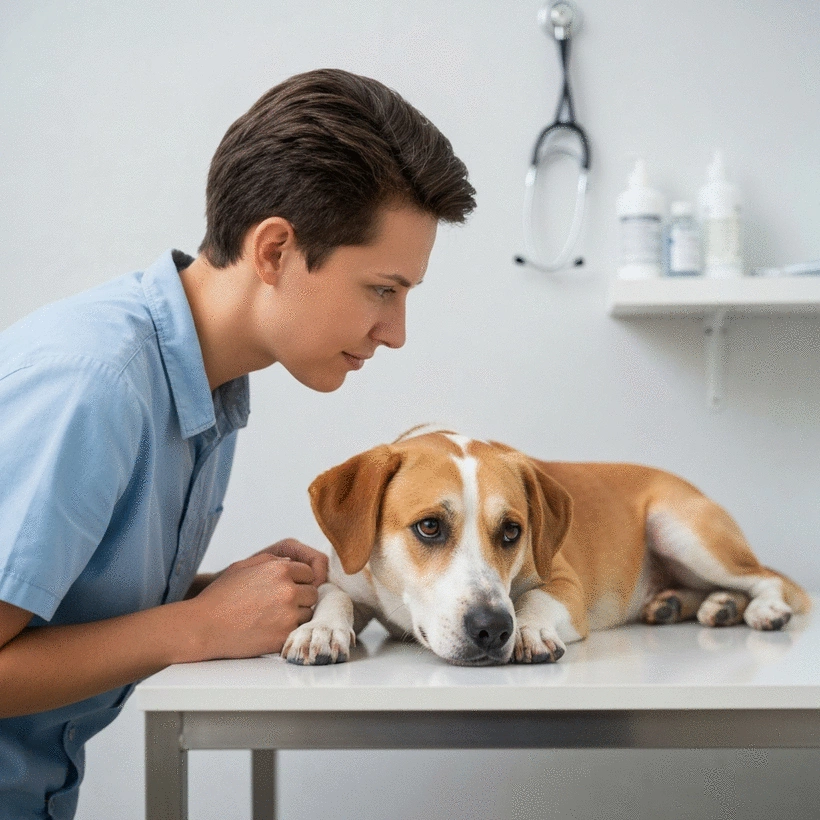
As a dog owner, do you know how to differentiate between an emergency and a non-emergency when it comes to your furry friend’s health? Understanding these distinctions can save your dog’s life and provide you with peace of mind. Read on to discover essential insights that every pet owner should know!
What You Will Learn
- Critical symptoms indicating emergencies include difficulty breathing, severe bleeding, and unconsciousness.
- Common emergency situations to watch for are ingestion of toxic substances and heatstroke.
- Non-emergency health issues, like minor skin irritations and occasional vomiting, can often wait for a vet appointment.
- When in doubt, trust your instincts—monitor your dog's behavior and consult a vet if something seems off.
Emergency vs. Non-Emergency Dog Health Issues
A quick guide to distinguishing critical situations from those that can wait for a scheduled vet visit, empowering dog owners with informed decision-making.
Emergency Conditions
Require immediate veterinary care to prevent serious consequences.
- Difficulty breathing / choking
- Severe bleeding / open wounds
- Unconsciousness / seizures
- Ingestion of toxic substances
- Signs of severe pain
Non-Emergency Conditions
Often manageable with home care or a scheduled vet appointment.
- Minor skin irritations / rashes
- Occasional vomiting (no other symptoms)
- Low-grade fever
- Ear infections / minor cuts
- Dental problems
Understanding the Difference: Emergency vs. Non-Emergency Dog Health Problems
As a devoted dog owner, understanding the difference between emergency and non-emergency dog health problems can be a lifesaver. We all want our furry friends to be safe and healthy, but knowing when to react swiftly versus when to schedule a regular vet appointment can be challenging. Let’s dive into what constitutes an emergency for dogs and how you can better navigate these situations.
Recognizing critical symptoms is key. Your dog depends on you to identify when something is seriously wrong. In this section, we’ll explore what qualifies as an emergency and how to differentiate it from less urgent health issues, including important information on common health issues in dogs.
What Qualifies as an Emergency for Dogs?
Emergencies in dogs are situations that require immediate veterinary care to prevent serious health consequences. Some critical symptoms that dog owners should always be on the lookout for include:
- Difficulty breathing or choking
- Severe bleeding or open wounds
- Unconsciousness or seizures
- Signs of severe pain, such as yelping or restlessness
- Swelling of the abdomen or sudden lethargy
If you notice any of these signs, don’t hesitate—contact your vet immediately. Each moment counts when it comes to your dog's health!
Critical Symptoms That Require Immediate Attention
It’s essential to remain calm and assess the situation if you suspect your dog is in distress. Critical symptoms like choking can lead to suffocation, while severe bleeding can quickly become life-threatening. Other signs, such as unresponsiveness or difficulty standing, can indicate serious underlying health issues that must be addressed right away.
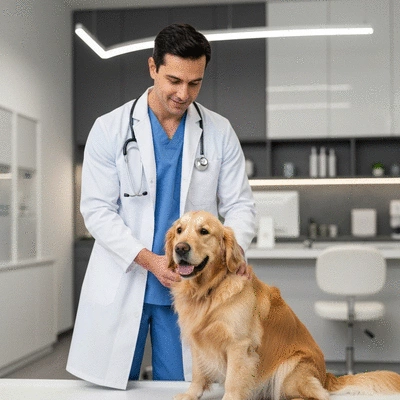
As a veterinarian, I can’t stress enough how vital it is to be prepared! Knowing what to look for can save your dog's life, so keep an eye out for these symptoms.
Common Emergency Situations: Breathing Difficulties, Severe Bleeding, and More
Alongside the symptoms mentioned, common emergency situations include:
- Ingestion of toxic substances (like chocolate or certain plants)
- Trauma from accidents or falls
- Heatstroke from excessive heat exposure
- Severe vomiting or diarrhea that leads to dehydration
If your dog is showing any of these signs, reach out to your veterinarian immediately or visit an emergency vet clinic. Your quick actions can make all the difference!
Recognizing Non-Emergency Dog Health Issues
While it's crucial to act fast in emergencies, not all health issues require immediate attention. Understanding non-emergency dog health issues can help you manage your pet's health more effectively.
Non-emergency conditions are often manageable with a little patience and care at home. While you shouldn't ignore them, they can typically wait for a scheduled vet visit, especially if you have a preventive care checklist for dogs to guide you.
Examples of Non-Life-Threatening Conditions
Some common examples of non-life-threatening conditions include:
- Minor skin irritations or rashes
- Occasional vomiting without additional severe symptoms
- Low-grade fever
- Separation anxiety or mild behavioral issues
These conditions may still need attention, but they don't usually warrant a rushing trip to the vet.
Signs of Distress That Can Wait for Non-Urgent Care
It’s important to recognize signs of distress that can be manageable. A dog that is slightly lethargic, has a decreased appetite, or is having mild diarrhea might not need immediate care but should be monitored closely.
Each dog is unique, so understanding their normal behavior is essential. If you're ever unsure, don’t hesitate to reach out for advice—we’re here to help!
Common Dog Ailments That Are Not Emergencies
Here are a few health issues that are generally not emergencies:
- Ear infections
- Minor cuts or scrapes
- Seasonal allergies
- Dental problems, such as tartar buildup
These issues can often wait for your vet's expertise during a regular visit. Remember to keep track of their symptoms and communicate them effectively when you do see your veterinarian!
When to Call a Vet: Decision-Making Guidance
Knowing when to call a vet can sometimes feel overwhelming. I encourage dog owners to trust their instincts. You know your furry friend better than anyone!
Let’s look at some indicators that suggest it’s time for urgent care vs. a regular appointment.
Immediate Veterinary Help: Key Indicators for Urgent Care
Some key indicators that necessitate immediate veterinary assistance include:
- Sudden changes in behavior, such as aggression or extreme lethargy
- Persistent vomiting or diarrhea lasting more than a day
- Difficulty walking or standing
- Signs of shock, including rapid breathing or a weak pulse
These signs signal that something might be very wrong and needs to be addressed immediately!
Understanding Time-Based Thresholds for Common Symptoms
Not every symptom requires an immediate visit. For instance, vomiting that occurs once may not be an emergency, but if it continues for several hours or is accompanied by other symptoms, it’s best to consult your vet.
Keep a close watch on the timeline of symptoms and their severity—it can help you determine the appropriate response.
Veterinary Advice: How to Assess Severity

If you're unsure about your dog’s condition, I recommend calling your vet for guidance. They can help assess the severity of the situation based on your dog's symptoms and history.
Gathering as much information as possible about your pet's condition will aid your vet in making a timely and informed decision on next steps!
Creating a Dog-Specific Triage Guide
Having a triage guide specific to your dog can be extremely beneficial in managing their health. This guide can help you determine when to act, when to wait, and what steps to take.
Let’s explore how you can create this guide effectively!
Emergency, Urgent Care, and At-Home Monitoring: A Comparison Table
| Condition Type | Examples | Recommended Action |
|---|---|---|
| Emergency | Difficult breathing, severe bleeding | Visit emergency vet immediately |
| Urgent Care | Persistent vomiting, minor injuries | Schedule a vet appointment as soon as possible |
| At-Home Monitoring | Seasonal allergies, low-grade fever | Observe symptoms and contact vet if worsens |
This simple comparison can help you make quick decisions regarding your dog's health.
Symptom Checklist for Quick Assessment of Dog Health Problems
Here's a handy checklist for assessing your dog’s health:
- Does your dog seem unusually quiet or inactive?
- Is your dog experiencing any unusual vomit or stool?
- Are they eating and drinking normally?
- Have you noticed any changes in their bathroom habits?
By checking off these symptoms, you can better gauge the urgency of the situation!
Health Assessments You Can Perform at Home
Performing basic health assessments at home can help you stay on top of your dog's wellbeing. Some simple checks include:
- Checking their gums for color (should be pink, not pale or blue)
- Feeling their abdomen for any unusual swelling or tenderness
- Observing their breathing rate (normal is about 10-30 breaths per minute)
Regular home assessments can help you catch potential issues early before they escalate!
First-Aid Steps Before Seeking Veterinary Help
In emergencies, knowing first-aid steps can be crucial while you’re on your way to the vet. Let’s review what you can do to help your dog in distress.
Being prepared can make a significant difference in your pet's health outcomes.
What to Do If Your Dog is in Distress
If you find your dog in distress, here are some first-aid steps to take:
- Stay calm—your dog can sense your anxiety.
- Assess the situation and gather information.
- If they’re injured, try to control any bleeding with a clean cloth.
- Keep your dog as still and calm as possible until you can get them to a veterinary professional.
These steps can help stabilize your dog until you reach the vet.
Information to Provide When Contacting the Vet
When you contact your vet, be sure to provide essential information, including:
- Your dog's breed, age, and weight
- A detailed description of the symptoms
- Any medications your dog is currently taking
- Any recent changes in behavior or health
The more information you can provide, the better equipped your veterinarian will be to help your dog!
Pet First Aid Essentials Every Dog Owner Should Know
Every dog owner should be familiar with basic first-aid essentials, such as:
- Having a pet first-aid kit ready to go
- Knowing how to perform CPR on dogs
- Understanding signs of shock or distress
Being prepared can significantly impact your dog's wellbeing, especially in emergencies!
Pro Tip
Did you know? Keeping a pet first-aid kit at home can be a lifesaver in emergencies! Include items like gauze, antiseptic wipes, and a digital thermometer to ensure you're prepared for unexpected situations. Regularly check your kit to replenish any used items and keep it accessible for quick access!
Ensuring Your Dog's Health: Trust Your Instincts
When it comes to your dog's wellbeing, trusting your instincts is crucial. As a dog owner, you know your pet better than anyone else. If something seems off, take note! Your intuition can guide you in identifying whether a situation may require immediate veterinary attention or if it's something that can wait.
To help you navigate these moments of uncertainty, I've compiled a list of frequently asked questions that many dog owners, including myself, often ponder when faced with potential health emergencies. Understanding these common concerns can empower you to make informed decisions about your dog’s health.
Frequently Asked Questions About Dog Health Emergencies
Here are some common questions and answers to help you better understand dog health emergencies:
- How do I tell if my dog's condition is an emergency?
Look for critical symptoms like difficulty breathing, severe bleeding, unconsciousness, seizures, severe pain, or ingestion of toxic substances. If any of these are present, seek immediate veterinary care. - What are some non-emergency health issues?
Non-emergency issues generally include minor skin irritations, occasional vomiting without other symptoms, low-grade fever, ear infections, minor cuts, seasonal allergies, or dental problems. These can typically wait for a scheduled vet visit. - When should I call my vet for advice?
Always call your vet if you are unsure about your dog's condition. They can help assess the severity of symptoms based on your dog's history and provide guidance on whether immediate care is needed. - What information should I have ready when contacting the vet during an emergency?
Provide your dog's breed, age, and weight, a detailed description of symptoms, any current medications, and any recent changes in behavior or health. - What first-aid steps can I take before reaching the vet?
Stay calm, assess the situation, control any bleeding with a clean cloth, and keep your dog as still and calm as possible. Having a pet first-aid kit and knowing basic CPR can also be life-saving.
Is Vomiting Always an Emergency in Dogs?
Vomiting can be a distressing symptom for any pet owner. While it's not always a sign of an emergency, certain factors can raise concern. For instance, if your dog vomits multiple times in a short period or if the vomit contains blood, it's time to seek veterinary assistance. Always consider the context, such as any recent changes in diet or exposure to toxins.
- Vomiting combined with lethargy or weakness
- Repeated vomiting over several hours
- Presence of blood in vomit
Keeping an eye on these signs can help you assess whether it's a situation that requires urgent care. Remember, it’s always better to err on the side of caution when it comes to your dog's health!
When Should Limping Be Considered an Urgent Situation?
Limping can arise from various causes, from minor sprains to more serious injuries. If your dog is limping but still willing to walk or play, it might not require immediate attention. However, if your dog shows signs of severe pain, refuses to put weight on the leg, or displays swelling, it’s essential to consult your vet as soon as possible.
- Sudden onset of limping without an obvious cause
- Severe pain when touched or manipulated
- Accompanied by swelling or visible injury
Understanding these indicators can help you decide when to take action. As a veterinarian, I’ve seen how prompt assessment can make a world of difference in a dog's recovery.
Recognizing Symptoms of Dog Illness: What to Look For
Identifying signs of illness is a key part of being a vigilant dog owner. Common symptoms that should prompt you to assess your dog's health include:
- Loss of appetite or excessive thirst
- Excessive panting or difficulty breathing
- Changes in bathroom habits or unusual stools
- Unexplained weight loss or gain
By familiarizing yourself with these symptoms, you’ll be better equipped to determine when your dog might need to see a veterinarian. Remember, knowledge is power!
Final Thoughts: Being Proactive About Your Dog's Health
Being proactive about your dog's health not only improves their quality of life but also strengthens the bond you share. Understanding when to seek help is an integral part of responsible pet ownership. If you’re ever in doubt, reaching out to your veterinarian can provide clarity and peace of mind.
At Canine Health Guide, we prioritize empowering dog owners with information to make those tough calls. Having resources at your fingertips allows you to approach your pet's health with confidence.
The Importance of Knowing When to Seek Help
Knowing when to seek help can mean the difference between a minor issue and a major health crisis. Being observant and educated about your dog’s typical behaviors can help you spot changes that could indicate underlying problems. Your instincts, combined with the right knowledge, will serve you well.
Utilizing Resources: When in Doubt, Contact Your Veterinarian
Never hesitate to reach out to your veterinarian when you're unsure about your dog’s health. They are your best resource for personalized advice tailored to your dog’s specific needs. Whether through a quick phone call or a visit, consultations with your vet can provide comfort and reassurance.
Emergency Preparedness for Pets: Creating a Plan
Having a plan for emergencies is essential. Consider what you’ll do if your dog experiences a health crisis. Here are a few steps to take:
- Locate the nearest emergency veterinary clinic
- Have essential documents ready, like vaccination records
- Create a first-aid kit for your dog
By preparing ahead of time, you can act swiftly when it matters most. Trust your instincts and your knowledge—together, they’ll help keep your canine companion healthy and happy! For even more detailed guidance, consider reviewing our essential dog vet checkup guide.
Recap of Key Points
Here is a quick recap of the important points discussed in the article:
- Recognize critical symptoms that indicate emergencies, such as difficulty breathing, severe bleeding, and unresponsiveness.
- Understand non-emergency health issues, like minor skin irritations and low-grade fevers, which can typically wait for a vet appointment.
- Trust your instincts when assessing your dog's health, and don’t hesitate to contact your veterinarian for guidance.
- Be prepared for emergencies by knowing first-aid steps and having a pet first-aid kit ready.
- Create a dog-specific triage guide that outlines when to seek urgent care versus when to monitor symptoms at home.