Supplements for Dog Anxiety Relief
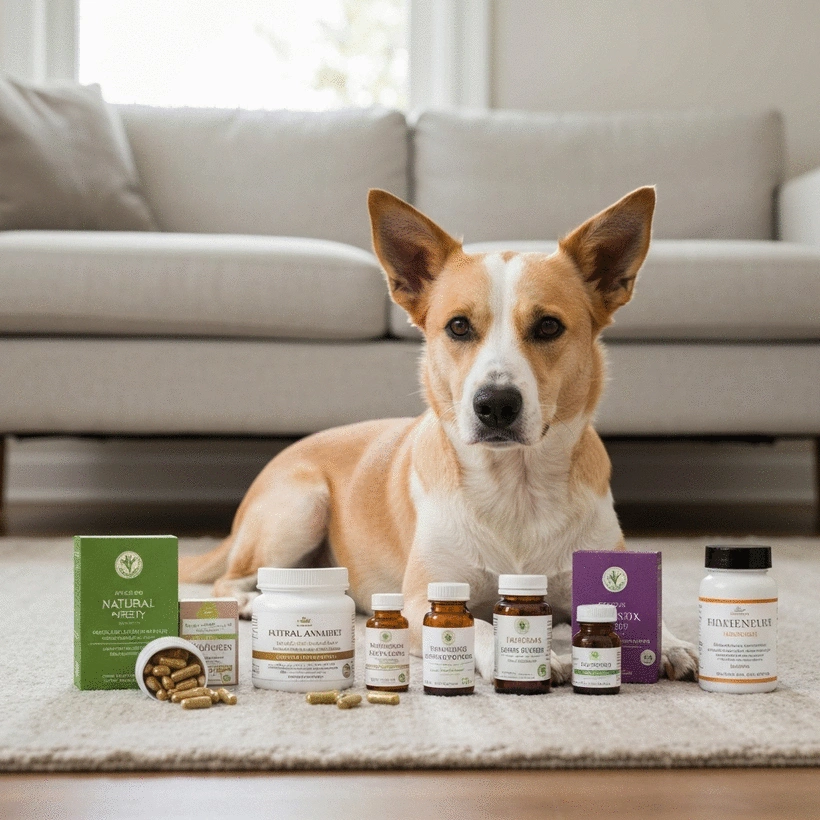
Have you ever wondered how your furry friend experiences anxiety? Understanding dog anxiety is essential for pet owners looking to provide a supportive environment for their companions. This guide delves into the causes, symptoms, and solutions for managing anxiety in dogs.
What You Will Learn
- Recognize the common behavioral signs of anxiety in dogs, such as excessive barking, destructive behavior, and restlessness.
- Identify physical symptoms that may indicate anxiety, including shaking, excessive panting, and changes in appetite.
- Understand the importance of selecting the right supplements to help manage your dog's anxiety and promote well-being.
- Learn the key role of consulting with your veterinarian to tailor a plan that suits your dog's unique needs.
- Discover the benefits of integrating training with supplement use to enhance your dog's mental health.
- Explore additional resources and alternatives for dog stress relief, including natural and homeopathic options.
Understanding Dog Anxiety: Causes, Symptoms, and Solutions
This visual guide illustrates the key aspects of dog anxiety, from identifying symptoms to effective management strategies.
Causes of Dog Anxiety
- Genetics
- Past Trauma
- Environmental Changes (e.g., loud noises, new situations)
- Separation from Family
Understanding the roots helps in effective management.
Symptoms to Watch For
Behavioral:
- Excessive barking/whining
- Destructive behavior
- Restlessness/Pacing
- Hiding/Avoiding eye contact
Physical:
- Shaking/Trembling
- Excessive panting/drooling
- Changes in appetite
- Yawning/Licking lips
Early recognition is key to intervention.
Supplements for Anxiety
- Omega-3 Fatty Acids (Brain Health)
- Probiotics (Gut Health & Mood)
- Herbal Remedies (Chamomile, L-theanine)
- CBD Oil (Natural Calming Effects)
Natural ingredients can support a calmer demeanor.
Holistic Management
- Veterinarian Consultation (Critical Step)
- Integrating Training (Positive Reinforcement)
- Building a Consistent Routine
- Encouraging a Calm Environment
Combining strategies yields best results.
Understanding Dog Anxiety: Causes and Symptoms
As a veterinarian with over a decade of experience, I’ve seen how dog anxiety can profoundly affect our furry friends. Understanding the causes and symptoms of anxiety in dogs is crucial for pet owners like you. By recognizing these signs, you can take proactive steps to help your dog feel more secure and relaxed.

Many factors can contribute to anxiety in dogs, including genetics, past trauma, and changes in their environment. Just like us, dogs can experience stress from loud noises, new situations, or even separation from their families. Let’s explore how to identify the signs of stress in your beloved pet.
Identifying Signs of Stress in Dogs
Recognizing anxiety in dogs can sometimes be tricky. They may not always show their discomfort in obvious ways, but there are common indicators to look out for. Here are some behavioral and physical symptoms to keep an eye on:
Common Behavioral Indicators
- Excessive barking or whining
- Destructive behavior, like chewing furniture
- Restlessness or pacing
- Avoiding eye contact or hiding
If you notice these behaviors, it could be a sign that your dog is feeling anxious. It’s essential to create a supportive environment that helps them feel safe.
Physical Symptoms to Watch For
- Shaking or trembling
- Excessive panting or drooling
- Changes in appetite
- Yawning or licking their lips more frequently
Physical signs can also indicate that your dog is experiencing anxiety. If you observe any of these symptoms, please don’t hesitate to reach out to your veterinarian. I'm here to help you understand what’s normal and what might need further attention.
Why Choosing the Right Supplements Matters
Choosing the right supplements for your dog can play a vital role in managing anxiety. Supplements can help ease your dog’s stress levels, allowing them to lead a more peaceful life. It's about giving them the tools they need to feel secure.

When selecting supplements, consider those that contain natural ingredients. Many of them have been shown to support a calm demeanor without causing any harmful side effects. Let's dive into how these supplements work and what benefits they can offer.
The Role of Supplements in Managing Dog Anxiety
Supplements can provide essential nutrients that are often lacking in a dog's diet. They help promote mental wellbeing and can significantly decrease anxiety levels. Here’s how they work:
How Supplements Work: Mechanisms of Action
- They may balance neurotransmitters, which help regulate mood.
- Some can support healthy gut bacteria, influencing overall mental health.
- They provide essential vitamins and minerals that contribute to a calm state.
Understanding these mechanisms can empower you to make informed choices for your dog's health. The right supplements can be a game-changer!
Benefits of Using Natural Ingredients
- Generally safer with fewer side effects
- May improve overall health and wellbeing
- Can enhance the effectiveness of other treatments
Essential Nutritional Supplements for Canine Anxiety
- Omega-3 fatty acids for brain health
- Probiotics for gut health and mood regulation
- Herbal remedies like chamomile for calming effects
Incorporating these nutritional supplements can lead to a more balanced and relaxed state for your dog. As always, consult with your veterinarian before starting any new supplement regimen.
We Want to Hear From You!
What do you think about using natural supplements for managing your dog's anxiety? Share your thoughts below:
Frequently Asked Questions About Dog Anxiety
What are the most common signs of anxiety in dogs?
Common signs of dog anxiety include excessive barking or whining, destructive behavior, restlessness, pacing, hiding, avoiding eye contact, shaking, trembling, excessive panting or drooling, and changes in appetite.
Can supplements really help with dog anxiety?
Yes, supplements can play a vital role in managing dog anxiety by providing essential nutrients, balancing neurotransmitters, supporting gut health, and offering calming effects through natural ingredients like Omega-3 fatty acids, probiotics, and herbal remedies.
When should I consult a veterinarian about my dog's anxiety?
You should consult your veterinarian if your dog's anxiety symptoms are severe or worsening, if you are unsure about the best supplements for your dog, if you notice any side effects from products, or before starting any new supplement regimen, especially if your dog is on other medications.
Are natural ingredients safer for managing dog anxiety?
Natural ingredients in supplements are generally considered safer with fewer side effects. They can improve overall health and well-being and often work harmoniously with your dog's body, enhancing the effectiveness of other treatments.
How does training integrate with supplement use for anxiety management?
Pairing supplements with behavioral training, especially positive reinforcement methods, can yield better results by helping your dog feel more secure and confident. This holistic approach addresses both the internal physiological aspects and external behavioral triggers of anxiety.
Consulting with Your Veterinarian: A Critical Step
As a veterinarian, I've seen firsthand how vital it is to consult with your vet when considering supplements for your dog’s anxiety. Every canine is unique, and what works for one might not work for another. Understanding when to seek professional advice can make a significant difference in your pet's wellbeing!
Engaging with your veterinarian can help you tailor a plan that addresses your dog's specific needs. They can provide insights into the right supplements and help you understand how these products can integrate into your dog’s overall health regimen. Trust me; this step is crucial for effective anxiety management.
When to Seek Professional Advice
Knowing when to reach out to your vet is essential. Here are some situations where you should definitely consider professional guidance:
- If your dog's anxiety symptoms are severe or worsening.
- When you're unsure about the best supplements for your dog's unique health profile.
- If you've noticed side effects from any products you've tried.
- Before starting a new supplement, especially if your dog is taking medications.
These scenarios highlight the importance of communication with your veterinarian! Being proactive can help ensure your dog receives the best possible care and support.
Understanding the Role of a Veterinarian in Supplement Choices
Your veterinarian is more than just a healthcare provider—they're your partner in your dog’s health journey. They can help identify potential interactions between supplements and medications, ensuring your canine companion is safe. Additionally, they can recommend specific supplements based on your dog's breed and individual health condition, bringing peace of mind to your supplement choices.
It’s important to consider both the scientific and practical aspects of your dog's health. By discussing options with your vet, you can make informed decisions that align with your dog's needs and lifestyle.
Integrating Training with Supplement Use for Better Results
Many pet owners overlook the symbiotic relationship between training and supplements. While supplements can help alleviate anxiety, pairing them with behavioral training can yield even better results! Integrating positive reinforcement training methods can help your dog feel more secure and confident, reducing anxiety triggers.
Consider asking your vet for training resources or local professionals who specialize in anxiety management. This approach can enhance the effectiveness of any supplements you choose to use.
Veterinarian Recommendations for Dog Anxiety Solutions
When it comes to managing dog anxiety, your vet can provide tailored recommendations based on their experience. They may suggest products that contain ingredients like L-theanine or chamomile, both known for their calming effects. Additionally, your vet might recommend specific brands or formulations that have shown effectiveness in their practice.
By collaborating with your veterinarian, you can access the best strategies and solutions for your furry friend’s anxiety, leading to a happier, calmer dog!
Further Resources and Next Steps
Once you've consulted with your veterinarian, there are many other resources you can explore to help your dog manage anxiety. At Canine Health Guide, we aim to provide valuable insights and practical advice to support you on this journey!
Exploring Additional Options for Dog Stress Relief
Aside from supplements, there are various alternatives that can enhance your dog’s comfort and wellbeing. Here’s a quick look at some options:
- Natural Alternatives: CBD and herbal remedies have gained popularity for their potential calming effects.
- Homeopathic Remedies: These can be beneficial when used alongside traditional treatments.
- Integrative Approaches: Combining different methods can often yield the best results.
Exploring these alternatives can give you a comprehensive toolkit for managing your dog's anxiety. Be sure to discuss these options with your veterinarian to find the best fit for your pet!
Natural Alternatives: CBD and Herbal Remedies
CBD oil has emerged as a popular choice among pet owners seeking natural anxiety relief for their dogs. Many find it effective in calming their pets during stressful situations like thunderstorms or travel. Always consult with your vet before starting any new treatment, especially with CBD, to ensure it’s appropriate for your dog.
Herbal remedies, such as valerian root, can also help soothe anxious pups. Incorporating these natural options may lead to a more holistic approach in managing your canine’s stress.
Homeopathic Remedies and Integrative Approaches to Canine Care
Homeopathic remedies offer another avenue to consider. They focus on holistic healing and can sometimes complement conventional treatments. Some pet owners find success using homeopathic solutions alongside supplements and training techniques.
Integrative approaches consider every aspect of your dog's health and wellbeing, combining all available resources for optimal results. This strategy not only addresses anxiety but also promotes overall health.
Recommended Reading: Guides for Dog Owners
For those looking to deepen their understanding of canine anxiety, I recommend checking out some informative resources. Books and articles focusing on dog behavior and anxiety management can provide further insights into managing your pet's stress effectively. Don’t forget to visit Canine Health Guide for our comprehensive library on dog health topics!
Final Thoughts on Managing Dog Anxiety
Managing your dog's anxiety can feel daunting, but with the right resources and support, it’s absolutely achievable! Consistency is key—building a routine can help your pet feel secure and understood.
Building a Routine: The Importance of Consistency
Dogs thrive on routine, and establishing a consistent schedule can significantly reduce anxiety levels. Whether it’s regular feeding times, play sessions, or walks, having a predictable pattern can help your furry friend feel more in control and less anxious.
Try to include calming activities such as gentle playtime or quiet moments together in your daily routine. This consistency helps reinforce a sense of security for your dog!
Encouraging a Calm Environment for Your Dog
Creating a peaceful space in your home can greatly benefit your dog. Provide a cozy spot where they can retreat when feeling overwhelmed. This calming environment, combined with the right supplements and training, can make a world of difference.
Remember, every small effort counts towards building a happier, more relaxed canine companion. You’re not alone in this journey—together, we can work towards a calmer life for your beloved pet!
Call to Action: Start Your Journey to a Calmer Pet Today
Explore Our Top Picks for 2026
Ready to take the next step in managing your dog’s anxiety? Check out Canine Health Guide for our curated list of top products for 2026! We've done the research so you can find the best options for your furry family member.
Links to Buy Recommended Products
Don’t hesitate to explore our recommendations and give your pet the support they deserve. With the right tools, you can help your dog enjoy a happier, calmer life. Let's get started on this journey together!
Recap of Key Points
Here is a quick recap of the important points discussed in the article:
- Recognize common behavioral signs of dog anxiety, such as excessive barking, destructive behavior, and restlessness.
- Be aware of physical symptoms like shaking, panting, and changes in appetite that may indicate anxiety.
- Choose supplements with natural ingredients to help manage your dog's anxiety safely.
- Consult your veterinarian for personalized advice on supplements and anxiety management strategies.
- Integrate training techniques with supplement use to enhance your dog's comfort and confidence.