Simple Dog Wellness Routine Guide
Consider this: a well-structured wellness routine can significantly enhance your dog's health and happiness. By integrating simple practices into your daily life, you can foster a vibrant and fulfilling existence for your canine companion.
What You Will Learn
- The importance of a holistic wellness routine for your dog's physical, emotional, and mental health.
- How to select high-quality nutrition tailored to your dog's specific needs.
- Simple homemade dog food recipes that ensure your pet receives proper nutrition.
- Effective portion control and meal timing strategies to prevent obesity.
- Ideas for healthy snacks and DIY treats that are both tasty and nutritious.
- Daily exercise routines tailored to your dog's breed and age for optimal health.
- Basic health checks you can perform at home to monitor your dog's well-being.
- Recognizing signs of illness or distress to act promptly for your dog's health.
Essential Components of a DIY Dog Wellness Routine
A holistic approach to dog wellness involves a balanced integration of Nutrition, Exercise, and Health Monitoring. These three pillars work synergistically to enhance your dog's physical, emotional, and mental health, leading to a vibrant and joyful life. For more detailed information on maintaining optimal health, explore our guide on preventive care checklist for dogs.
Nutrition: Building a Healthy Diet
- • High-quality, natural ingredients
- • Proper portion control
- • Healthy, low-calorie treats
Foundation for vitality & adventures.
Exercise: Tailoring Activities
- • Daily routines for balance
- • Fun & engaging activities
- • Creative indoor/outdoor play
Crucial for mental & physical health.
Health Monitoring: DIY Checks
- • Regular weight checks
- • Behavior & coat observation
- • Early illness detection
Proactive care for early detection.
Creating a Comprehensive DIY Dog Wellness Routine at Home
As a passionate veterinarian, I've seen firsthand how a holistic wellness routine can enhance your dog's health, energy, and overall happiness. Just like us, our furry companions thrive on structure, and creating a routine tailored to their needs can make all the difference. Let's dive into the essential components of a dog wellness routine that you can easily implement at home!
Understanding the Importance of a Dog Wellness Routine
Establishing a wellness routine isn’t just about keeping your dog active; it’s about nurturing their physical, emotional, and mental health. A thoughtful approach can prevent health issues, help maintain an ideal weight, and improve your dog's quality of life. You’ll find that by investing time in these practices, your dog will be more vibrant and joyful!
- Increased energy levels
- Improved behavior and social skills
- Enhanced bond between you and your dog
And let’s not forget—an engaged dog is a happy dog! Incorporating varied activities and routines not only keeps them healthy but also enriches their daily lives. By the end of this article, you’ll be equipped with tools to support your dog's wellness journey.
Essential Components of a Dog Wellness Routine
Nutrition: Building a Healthy Dog's Diet

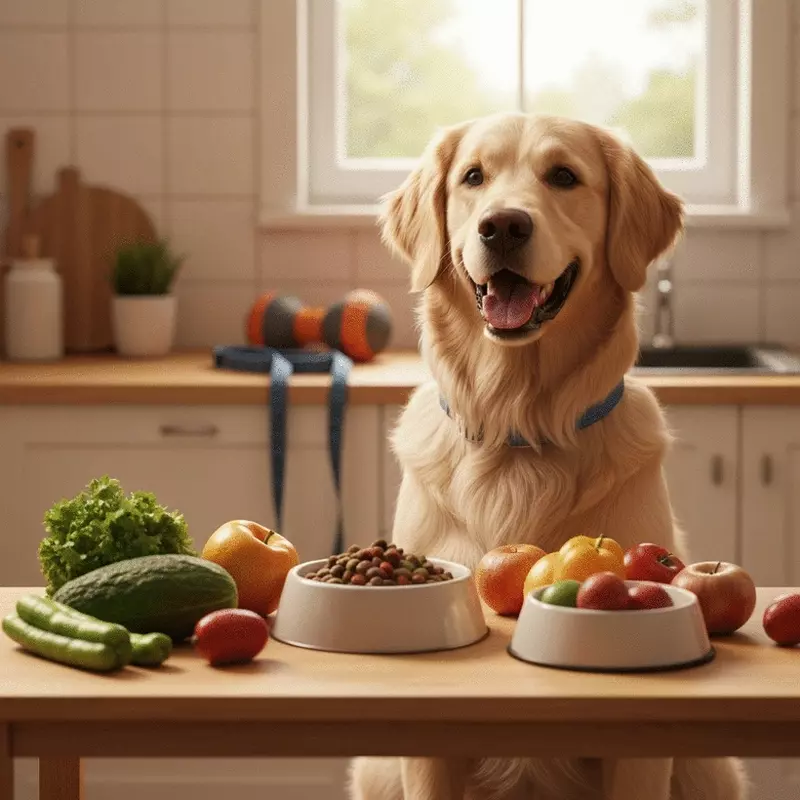
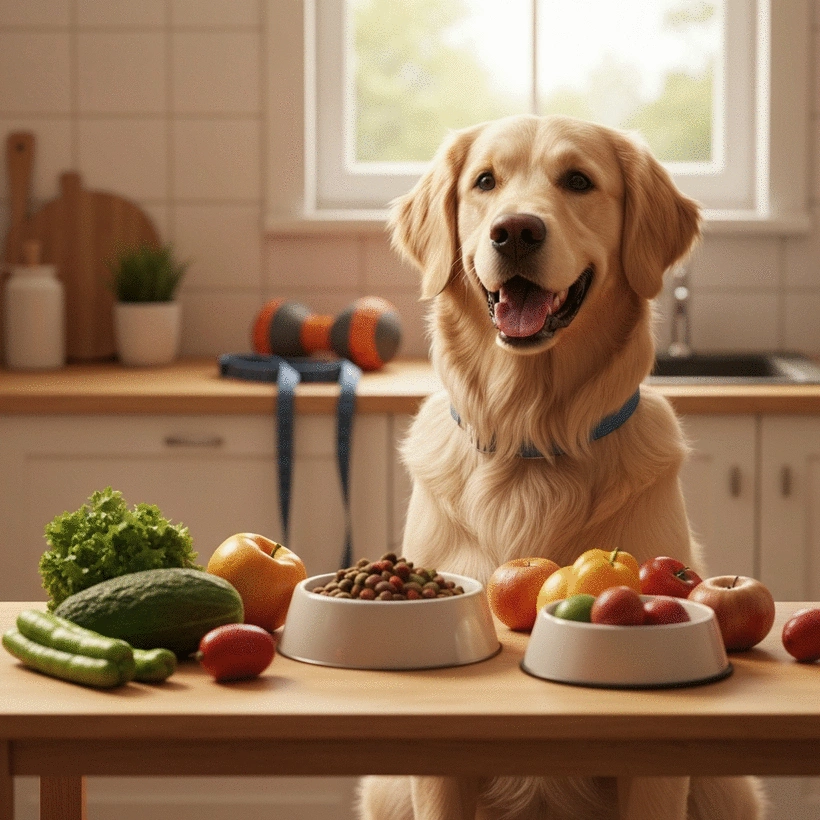
Proper nutrition is the foundation of your dog's wellness routine. It's essential to read labels and select high-quality foods that meet your dog's specific needs. For instance, look for ingredients that are natural and free from fillers. You should also consider your dog's age, breed, and health status when choosing their food. You can find more information on specific dietary needs and nutritional supplements for dogs explained.
- Analyze the protein source: Is it chicken, beef, or fish?
- Check for whole grains or vegetables as fillers, which are better than by-products.
- Avoid artificial preservatives and coloring agents.
With the right nutrition, you’re setting your furry friend up for a vibrant life full of adventures together! Remember, every dog is unique, so it’s wise to consult with your vet to find the best diet plan for your pup.
Home Cooked Dog Food: Benefits and Recipes
Preparing homemade meals for your dog can be a rewarding experience that ensures they get the nutrients they need. The benefits include knowing exactly what’s in their food and having control over their diet. Plus, dogs often love the taste of fresh, home-cooked meals!
- Control over ingredients—no hidden chemicals!
- Customizable meals tailored to your dog’s preferences.
- Often more economical than commercial dog food in the long run.
Start with simple recipes like boiled chicken with rice or sweet potatoes. These can be both nutritious and delicious for your furry friend!
Portion Control and Meal Timing
Meal timing and portion control are key to preventing obesity and ensuring proper digestion. Establishing a schedule helps your dog know when to expect food, which can reduce anxiety and create a sense of stability.
- Measure out appropriate serving sizes based on your dog’s weight.
- Feed at regular intervals—typically two to three times a day.
- Monitor their weight and adjust portions accordingly.
By following these guidelines, you'll help your dog maintain a healthy weight and energy level, which directly impacts their overall well-being.
Healthy Treats: Keeping Snacks Under Control
Snacks can be a great way to reward your dog, but it's important to keep them healthy. Choosing the right treats can complement your dog’s diet while keeping their calorie intake in check. Look for treats that are low in calories and high in nutrients.
- Select treats made from whole ingredients.
- Avoid those with artificial flavors or excessive sugars.
- Consider using fruits or vegetables as fresh, healthy alternatives.
These simple choices will not only keep your dog’s waistline in check but also contribute positively to their overall health.
DIY Dog Treats: Simple Recipes to Try
Making your own dog treats can be a fun way to engage with your furry friend while ensuring they enjoy healthy snacks! Here are a few simple recipes to get you started:
- Peanut Butter Biscuits: Mix whole wheat flour, peanut butter, and water to form a dough.
- Sweet Potato Chews: Slice sweet potatoes and bake them until dehydrated.
- Banana Oat Cookies: Mash bananas with oats and bake until golden brown!
Your dog will appreciate the effort you put into these homemade goodies, and you'll feel good knowing they're healthy!
Exercise: Tailoring Activities for Your Dog's Needs
Daily Exercise Routines: Finding the Right Balance
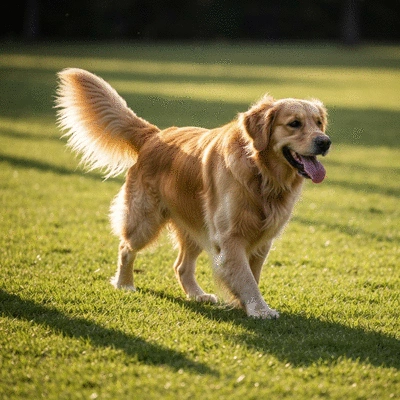
A proper exercise routine is crucial for your dog’s mental and physical health. It's important to consider your dog’s breed, age, and overall health when determining the right balance of activities.
- Active breeds require more vigorous exercise, while older dogs may benefit from gentler activities.
- A mix of walking, playing, and training can keep things interesting.
- Daily exercise promotes a happy and healthy dog while strengthening your bond.
Finding that balance can be a fun adventure as you explore different activities together!
Dog Fitness: Incorporating Fun into Exercise
Exercise should be enjoyable for both you and your dog! Incorporating fun activities can keep your dog engaged while promoting fitness. Why not try agility training or a game of fetch?
- Fetch: A classic game that never gets old!
- Agility courses: Set up obstacles in your backyard for a fun challenge!
- Swimming: Great for summer and easy on joints!
These engaging activities can help keep your dog's mind sharp and body fit!
Creative Indoor and Outdoor Activities
Sometimes the weather doesn’t cooperate, but that shouldn’t stop you from keeping your dog active. Here are some creative ways to engage your dog both indoors and outdoors:
- Indoor treasure hunts: Hide treats around the house for your dog to find.
- Obstacle courses: Use furniture to create a fun course at home.
- Park playdates: Schedule time with friends and their dogs at a local park.
With a little creativity, you can keep your dog entertained, regardless of the environment!
Monitoring Your Dog's Health: DIY Screening Techniques
Basic Health Checks You Can Perform at Home
Being proactive in your dog's health monitoring can lead to early detection of issues. You can conduct simple at-home screenings to assess their well-being.
- Check their weight regularly—this is crucial for managing health.
- Observe their behavior—any changes can indicate health issues.
- Examine their skin and coat for signs of discomfort or irritation.
These checks will help you stay informed about your dog’s health and act promptly if needed.
Recognizing Signs of Illness or Distress
It’s essential to know the signs that your dog may be unwell. Familiarize yourself with symptoms that warrant a visit to the veterinarian.
- Persistent vomiting or diarrhea.
- Changes in appetite or drinking habits.
- Unusual lethargy or restlessness.
By being vigilant, you can ensure that your dog gets the care they need when they need it!
Canine Health: Understanding Common Health Issues
Every breed is susceptible to certain health issues. Educating yourself about these can be invaluable in maintaining your dog's wellness. For an in-depth look at various health concerns, refer to our article on health issues in dogs explained.
- Hip and joint problems in larger breeds.
- Skin allergies prevalent in certain breeds.
- Dental issues that can affect overall health.
Regular wellness checks can identify potential problems early, making all the difference!
Dog Health Monitoring: Tools and Techniques
There are various tools available to help you keep an eye on your dog's health effectively. Some options include:
- Smart collars that monitor activity levels.
- Health apps that track diet and exercise.
- Regular check-ins with your veterinarian to assess overall health.
Utilizing these tools can help ensure your furry friend stays healthy and happy!
Quick Summary
Here's a brief recap of the key points discussed so far:
- Nutrition: Focus on high-quality ingredients tailored to your dog’s needs.
- Exercise: Balance activities based on your dog's breed and age for optimal health.
- Health Monitoring: Regular checks and understanding signs of illness are crucial for proactive care.
Frequently Asked Questions About Dog Wellness
Wrapping Up Your DIY Dog Wellness Journey
Integrating a Holistic Approach to Dog Care
As we've explored throughout this guide, a comprehensive wellness routine is key to enhancing your dog’s health, energy, and overall happiness. By integrating nutrition, exercise, and health monitoring, you create a balanced lifestyle that supports your furry friend’s needs. This holistic approach empowers you to be proactive about your dog's well-being, allowing you to catch potential issues early and make informed decisions.
Here are some of the major benefits of a holistic routine:
- Improved energy levels: A balanced diet and regular exercise help keep your dog vibrant and lively.
- Enhanced mental health: Engaging activities and proper nutrition contribute to better mood and behavior.
- Long-term health benefits: Preventive care and monitoring can lead to a longer, healthier life for your canine companion.
- Stronger bond: Routine care and activities deepen the connection you share with your dog.
By making these elements a part of your daily life, you're not just improving your dog’s health—you're enriching your relationship together!
Encouraging Engagement: Additional Resources and Tools
To make your DIY dog wellness journey even smoother, consider utilizing resources that can help you stay organized and informed. At Canine Health Guide, we offer a variety of downloadable tools that you can use:
- Dog Wellness Checklist: Keep track of your dog’s daily health and wellness activities.
- Meal Planner Template: Plan nutritious meals tailored to your dog’s dietary needs.
- Training and Exercise Guide: Discover fun activities and exercises to engage your pup.
- Health Monitoring Log: Record important health metrics and notes for vet visits.
These resources are designed to empower you and enhance your dog's wellness journey. Feel free to explore and find what works best for you!
Taking Action: Next Steps for Your Dog's Health
Now it’s time to put your newfound knowledge into action! Start by implementing the wellness tips we've discussed into your dog's daily routine. Consider setting aside time for regular vet check-ins—these visits are vital for ongoing wellness and can help catch any potential health issues early. By proactively managing your dog's care, you’re investing in their happy and healthy future!
What steps will you take first? Whether it’s adjusting their diet, increasing exercise, or scheduling a vet appointment, every small action counts toward better health for your dog!
Dog Health Awareness: Staying Informed and Educated
Lastly, staying informed about canine health issues is crucial. Regularly update yourself on nutrition practices and wellness techniques to ensure you’re providing the best care possible for your furry friend. Join online communities, follow reputable dog health blogs like Canine Health Guide, and participate in workshops that focus on dog care and well-being. For a deeper understanding of specific health concerns related to different breeds, read our guide on understanding breed-specific dog health.
By being proactive and educated, you set the stage for a long, healthy life for your dog. Remember, a well-informed pet owner is the best advocate for their dog’s health!
Recap of Key Points
Here is a quick recap of the important points discussed in the article:
- Establishing a holistic wellness routine enhances your dog’s physical, emotional, and mental health.
- Proper nutrition involves selecting high-quality foods tailored to your dog's specific needs.
- Engage in regular exercise that matches your dog's breed, age, and health to promote overall well-being.
- Monitor your dog’s health through basic checks and be aware of signs of distress or illness.
- Utilize available tools and resources to support and track your dog’s wellness journey effectively.