Training Mental Health Service Dogs
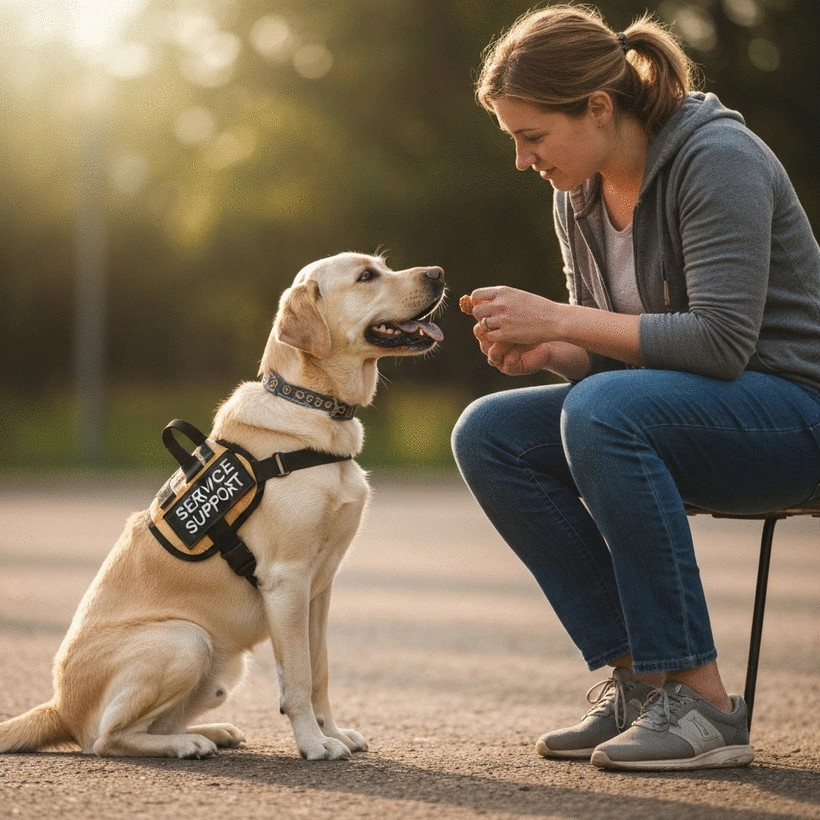
What if a simple canine companion could significantly enhance your mental health journey? Service dogs, particularly psychiatric service dogs (PSDs), play a crucial role in supporting individuals facing mental health challenges.
What You Will Learn
- Psychiatric service dogs (PSDs) are trained to assist individuals with mental health conditions, performing tasks that mitigate symptoms like anxiety and PTSD.
- Key differences exist between service dogs and emotional support animals (ESAs), particularly in training, public access rights, and the nature of assistance provided.
- Therapy dogs serve in therapeutic settings to provide comfort and companionship, helping to reduce anxiety and enhance social interactions.
- Regular training and veterinary checks are vital for maintaining a PSD’s effectiveness and overall health, ensuring they remain a reliable support system.
- Recognizing signs of handler burnout is crucial; taking care of your mental health impacts your ability to support your service dog effectively.
- Engaging with community support programs can provide valuable resources, connections, and education for PSD handlers.
The Essential Roles of Psychiatric Service Dogs (PSDs)
PSDs are more than just companions; they are highly trained to perform specific tasks that mitigate mental health symptoms, ensuring a significant improvement in their handler's quality of life. This visual highlights their unique functions and how they differ from other support animals. For more insights into canine well-being, explore health issues in dogs explained.
Understanding Mental Health Service Dogs and Their Roles
When it comes to mental health, service dogs play a crucial role in supporting individuals who may be struggling with conditions such as anxiety, depression, or post-traumatic stress disorder (PTSD). These dogs aren’t just companions; they are trained to provide specific assistance that can significantly improve the quality of life for their handlers. In this section, we’ll explore what a psychiatric service dog (PSD) is, how it differs from emotional support animals, and the important roles therapy dogs play in mental health support.

It’s essential to understand these distinctions, as they can affect both the rights of the handler and the level of support the dog can provide. Many people may not realize the extent to which these service dogs can help alleviate symptoms and improve daily functioning, which is why education on this topic is so vital!
What is a Psychiatric Service Dog (PSD)?
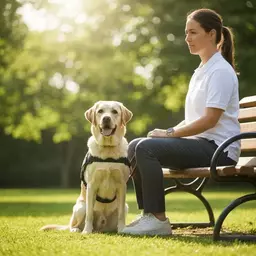
A psychiatric service dog (PSD) is specifically trained to assist individuals with mental health conditions. Unlike standard pets or emotional support animals, PSDs undergo extensive training to perform tasks that help mitigate their handler's symptoms. For example, they can alert the handler to anxiety attacks, provide grounding during overwhelming situations, or even fetch medication when needed.
- PSDs are trained to recognize signs of distress.
- They can provide deep pressure therapy for calming effects.
- These dogs often create a sense of safety and security for their handlers.
- PSDs have legal access to public places under the ADA.
Understanding the role of a PSD is critical for anyone considering this type of support. They not only provide companionship but actively contribute to managing mental health challenges.
Key Differences Between Service Dogs and Emotional Support Animals
While both service dogs and emotional support animals (ESAs) are valuable, there are key differences between them. Service dogs are trained to perform specific tasks for their handlers, whereas ESAs provide comfort simply through their presence. Here are some distinctions to consider:
- Training: Service dogs undergo rigorous training and must be certified, while ESAs do not require any formal training.
- Public Access: Service dogs have legal rights to accompany their handlers in public places, whereas ESAs have limited access.
- Tasks: Service dogs perform specific tasks to assist with disabilities; ESAs provide emotional support but do not perform task-based assistance.
This understanding is vital for potential handlers to navigate the resources and legalities surrounding service animals. For those interested in understanding canine behavior, learning to recognize depression in dogs can also be beneficial.
Exploring the Roles of Therapy Dogs in Mental Health Support
In addition to PSDs, therapy dogs play a significant role in mental health support, although their functions differ. Therapy dogs are typically used in therapeutic settings, such as hospitals, schools, or mental health facilities, to provide comfort and companionship to individuals in need. They are trained to be friendly and approachable, making them ideal for these environments.
- Therapy dogs can help reduce anxiety and stress levels.
- They provide a calming presence during therapy sessions.
- These dogs can enhance social interactions and communication.
Both PSDs and therapy dogs contribute positively to mental health and wellness, proving that canines can be a vital asset in overcoming psychological challenges.
We Want to Hear From You!
As you learn more about the roles of psychiatric service dogs and therapy dogs, we want to know your thoughts! Have you or someone you know benefited from a service dog? What aspects of their training do you think are most essential? Share your insights below:
Long-Term Management of Your Psychiatric Service Dog
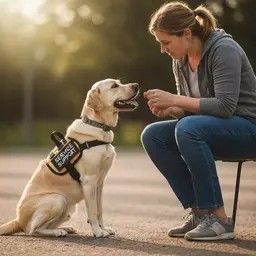
Managing a Psychiatric Service Dog (PSD) goes beyond initial training; it’s about ensuring their skills remain sharp throughout their life with you. Just like us, service dogs thrive on routine and reinforcement. Regular practice of their trained tasks is essential to maintaining their effectiveness as support animals.
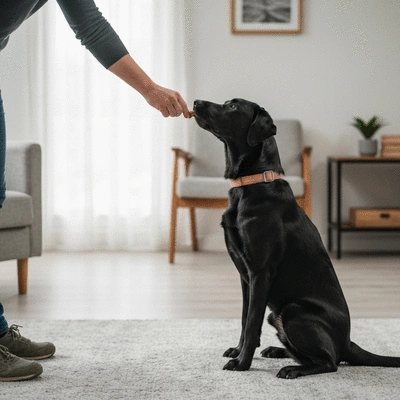
Consistency is key. You might consider setting aside dedicated time each week for training refreshers. This could include simple commands or the specific tasks they've been trained for, such as grounding techniques or deep pressure therapy. A little time each week can go a long way in ensuring your dog continues to provide the support you need!
Maintaining Training Consistency Over Time
- Schedule weekly training sessions
- Incorporate training into daily routines
- Use positive reinforcement techniques
- Engage in regular bonding activities
By integrating training into your daily life, you can keep your service dog engaged and responsive. Remember, positive reinforcement—treats, praise, or play—can reinforce your dog’s skills while strengthening your bond.
Recognizing and Addressing Handler Burnout
As a handler, it’s important to recognize signs of burnout. Taking care of a PSD can be rewarding, but it can also be demanding. If you start to feel overwhelmed or fatigued, it’s crucial to take a step back and assess your mental health. Your well-being directly impacts your dog’s ability to perform their duties and support you effectively.
- Identify stressors in your routine
- Take breaks when needed
- Engage in self-care practices
- Seek support from peers or professionals
Finding ways to recharge can make a big difference. Whether it’s taking time to relax away from your responsibilities or finding community support, taking care of yourself helps ensure you're there for your furry companion.
The Importance of Veterinary Health Checks for Your PSD
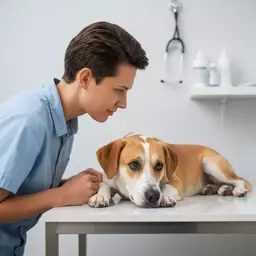
Regular veterinary check-ups are essential for your service dog's health. Just like us, dogs can face health issues that might affect their mood and behavior. Keeping up with veterinary care helps catch any potential problems early and maintains their overall well-being. For a comprehensive approach to preventative care, consider our preventive care checklist for dogs.
- Schedule annual wellness exams
- Keep vaccinations up to date
- Monitor for any behavioral changes
- Consult your vet about nutrition and exercise needs
Ensuring your dog is healthy not only benefits their physical condition but also their mental health. A healthy dog is a happy dog, and that happiness is crucial for their work as your service animal!
Next Steps and Resources for Prospective PSD Handlers
As you embark on your journey with a psychiatric service dog, having the right resources can make all the difference. Below, I’ll outline key steps and considerations to ensure you’re well-prepared for this rewarding experience.
Creating a PSD Training Plan: Templates and Checklists
Having a clear training plan is important for both you and your PSD. I recommend creating a checklist to guide your training and ensure you cover all necessary tasks. Some essentials to include are:
- Daily training exercises
- Task review sessions
- Health check reminders
- Socialization opportunities
Using templates can help you stay organized and track your dog’s progress. Plus, it’s rewarding to see how far they’ve come!
FAQs: Addressing Common Concerns About PSD Ownership
It’s natural to have questions about the responsibilities that come with owning a PSD. Here are some frequently asked questions:
Frequently Asked Questions
- What exactly is a Psychiatric Service Dog (PSD)?
- A PSD is a dog specifically trained to perform tasks that mitigate the symptoms of a mental health disability for their handler. These tasks go beyond providing comfort and can include things like guiding, deep pressure therapy, or fetching medication.
- How do PSDs differ from Emotional Support Animals (ESAs)?
- PSDs are trained to perform specific tasks related to a disability and have public access rights under the ADA. ESAs provide comfort through their presence but do not require specific task training and have more limited public access rights.
- What role do therapy dogs play in mental health support?
- Therapy dogs are used in various therapeutic settings (e.g., hospitals, schools) to provide general comfort and companionship to many individuals, helping to reduce anxiety and improve social interactions, but they do not assist a single handler with a disability.
- Why is consistent training important for a PSD?
- Consistent training refreshers ensure that a PSD maintains its skills and responsiveness, which is crucial for its effectiveness in supporting its handler's mental health needs over time.
- What is handler burnout, and how can it be addressed?
- Handler burnout refers to the fatigue and stress experienced by individuals caring for a service dog. Recognizing stressors, taking breaks, practicing self-care, and seeking community or professional support are key to addressing it.
- How crucial are veterinary health checks for a PSD?
- Regular veterinary check-ups are vital for a PSD's physical and mental health. A healthy dog is better able to perform its duties, and early detection of health issues can prevent disruptions in service.
Community Support Programs for PSD Handlers and Their Benefits
Connecting with other PSD handlers can provide valuable insights and support. Community programs often offer:
- Workshops and training sessions
- Peer support groups
- Resources for ongoing education
These connections can be incredibly comforting and provide a sense of belonging as you navigate PSD ownership.
Call to Action: Seek Professional Help or Online Courses for Your PSD Journey
If you’re considering bringing a PSD into your life, don’t hesitate to seek professional help or enroll in online courses. Training and support resources are available to guide you through this journey. Remember, investing in your knowledge and your dog’s training can lead to a more fulfilling partnership!
At Canine Health Guide, we believe in empowering dog owners with knowledge. If you're ready to take the next step, reach out for personalized advice or explore our resources designed to support your PSD journey. Together, let’s ensure you and your service dog thrive! For additional guidance on keeping your canine companion in top shape, consider reviewing nutritional supplements for dogs explained.
Recap of Key Points
Here is a quick recap of the important points discussed in the article:
- Understanding PSDs: Psychiatric Service Dogs (PSDs) are trained to assist individuals with mental health conditions, providing specific tasks to mitigate symptoms.
- Differences from ESAs: Unlike Emotional Support Animals (ESAs), PSDs have legal rights to access public places and perform trained tasks, while ESAs provide comfort through their presence alone.
- Therapy Dogs: Therapy dogs offer support in therapeutic settings, helping reduce anxiety and enhance social interactions.
- Training Consistency: Regular training sessions are crucial for maintaining a PSD's skills and effectiveness as a support animal.
- Handler Wellbeing: Recognizing and addressing handler burnout is essential for the effective support of a PSD, alongside prioritizing self-care.
- Veterinary Health: Routine veterinary check-ups are necessary for ensuring the overall health and wellbeing of your PSD.
- Community and Resources: Engaging with community support programs and utilizing resources can enhance your experience as a PSD handler.