Recognizing Your Dog's Health Needs

Have you ever wondered how small changes in your dog's behavior could indicate a serious health issue? Recognizing these early signs can make a world of difference in their well-being.
What You Will Learn
- Recognizing early signs of health issues in dogs can lead to more effective treatments and better outcomes.
- Prompt veterinary care is crucial and can prevent minor issues from escalating into severe health problems.
- Daily observations of your dog's behavior, appetite, and energy levels are essential for early detection of potential health issues.
- Understanding the difference between emergency and non-emergency situations can save valuable time in a crisis.
- Preparing for your vet visits with specific questions and observations can enhance the effectiveness of your consultations.
- Common symptoms indicating health issues include changes in appetite, lethargy, and digestive problems.
Understanding Key Health Indicators for Your Canine Companion
Monitoring these health indicators is crucial for early detection and proactive care, ensuring your dog's well-being. For a broader understanding of common conditions, refer to our guide on health issues in dogs explained.
Early Detection: Owner's Role
Regular daily observations of appetite, energy, and behavior are vital for spotting subtle changes early.
When to See a Vet: Non-Emergency
Mild lethargy, slight vomiting that quickly resolves, or minor skin irritation. Monitor closely.
When to See a Vet: Emergency
Difficulty breathing, collapsed behavior, severe bleeding, seizures, suspected poisoning.
Understanding the Importance of Recognizing Early Signs of Dog Health Issues
As a dedicated veterinarian, I’ve seen firsthand how crucial it is to recognize the early signs of health issues in dogs. Just like us, dogs can’t always verbalize their discomfort or problems. That’s why understanding their behavior and physical condition is vital. The sooner we identify an issue, the easier it is to treat, leading to better outcomes for our furry friends!
Prompt veterinary care can make all the difference when it comes to your dog’s health. Regular check-ups and being attuned to subtle changes can prevent serious conditions from developing. It’s important to remember that our pets rely on us to recognize what’s normal versus what requires attention. By being proactive, we can not only enhance their quality of life but potentially extend it, too!
Why Prompt Veterinary Care Matters for Your Dog's Health
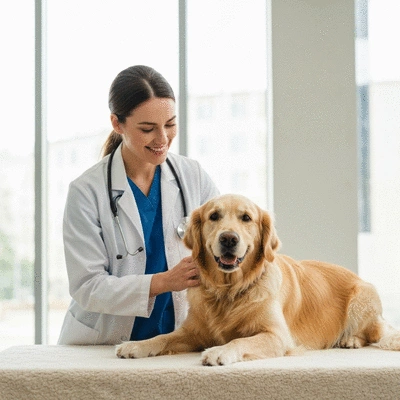
Taking your dog to the vet at the first sign of trouble can be a game changer. Early intervention often leads to more effective treatments and can significantly reduce recovery times. Here are some reasons why prompt veterinary care is essential:
- Prevention: Catching problems early can prevent them from escalating into more severe health issues.
- Cost-Effectiveness: Treating minor issues is usually less expensive than dealing with advanced conditions.
- Better Quality of Life: Addressing health concerns promptly can enhance your dog’s overall well-being.
Always keep an eye on your dog’s daily behavior and habits. If something seems off, don’t hesitate to reach out to your veterinarian! Your furry friend’s health is worth it, and understanding preventive care for dogs can make a big difference.
The Role of Pet Owners in Early Detection of Health Problems
As pet owners, we play a critical role in the early detection of health problems. It starts with observing our dogs regularly and being aware of their normal behavior. This includes watching for any changes in their appetite, energy levels, or behavior. Here are some key points to keep in mind:
- Daily Observations: Make it a habit to check in on your dog’s eating, drinking, and bathroom habits.
- Know Their Norm: Understand what is typical for your dog in terms of energy and behavior.
- Maintain Communication: Keep an open line of communication with your veterinarian about any changes you notice.
By being vigilant and proactive, we empower ourselves to detect potential health issues early on. This awareness not only fosters a healthier pet but also strengthens the bond between you and your dog!
Common Early Symptoms Indicating Dog Health Issues

Being able to identify early symptoms of health issues is key to maintaining your dog’s wellness. By recognizing these signs, you can act quickly and consult your veterinarian as needed. Below are some common early symptoms that may indicate a health issue:
- Changes in appetite and weight
- Lethargy and energy level fluctuations
- Behavioral changes
- Digestive issues like vomiting and diarrhea
- Skin and coat health problems
- Emergency signs requiring immediate action
Let’s explore these symptoms in detail so we can better understand what they signify for our beloved companions.
Interactive Poll: Your Dog's Health Vigilance
As a dog owner, how proactive are you in monitoring your dog's health? Share your thoughts with us:
Frequently Asked Questions About Dog Health
What are the most crucial early signs of health issues in dogs?
The most crucial early signs include changes in appetite, significant fluctuations in energy levels (lethargy or hyperactivity), and noticeable behavioral changes. Digestive issues like persistent vomiting or diarrhea, and unusual skin or coat conditions are also key indicators.
Why is prompt veterinary care so important for my dog?
Prompt veterinary care is vital because it allows for early diagnosis and treatment, which can prevent minor issues from escalating into severe, life-threatening conditions. Early intervention often leads to more effective treatments, faster recovery times, and can significantly reduce overall veterinary costs.
How can I, as a pet owner, contribute to early detection of health problems?
As a pet owner, your role is critical. Daily observations of your dog's eating, drinking, and bathroom habits, understanding their normal energy and behavior, and maintaining open communication with your veterinarian are key. Being vigilant about any subtle changes can help you detect potential issues early.
What are some emergency signs that require immediate veterinary attention?
Emergency signs requiring immediate veterinary attention include difficulty breathing, sudden collapse, severe bleeding, seizures, suspected poisoning, or signs of extreme pain. If you notice any of these, contact your vet or an emergency animal hospital immediately.
What should I do to prepare for a vet visit?
To prepare for a vet visit, make a list of all symptoms you've observed, noting when they started and their frequency. Prepare specific questions about your dog's health, treatment options, and preventive measures. Bringing notes can help ensure all your concerns are addressed during the appointment.
Taking Action: When to See a Vet
As a dedicated dog owner, recognizing when to seek veterinary care for your furry friend can be vital for their health. Knowing the right time to take action not only aids in early detection but can significantly affect treatment outcomes. At Canine Health Guide, I always emphasize the importance of being vigilant about your dog’s health and understanding the guidelines for vet visits.
- Look for severe symptoms, such as difficulty breathing or excessive bleeding.
- Consider the duration and severity of your dog's symptoms.
- Trust your instincts as a pet owner—if something feels off, it’s better to consult a vet.
In my experience, being proactive helps ensure your dog receives the best possible care. Always remember, even if symptoms seem mild, it’s worth checking in with your veterinarian if you're concerned.
Guidelines for Deciding Between Emergency and Non-Emergency Visits
It can be challenging to distinguish between an emergency and a situation that can wait. Here are a few guidelines to help you make that decision:
- Emergency: Difficulty breathing, collapsed behavior, severe bleeding, or seizures.
- Non-Emergency: Mild lethargy, slight vomiting that resolves quickly, or a minor skin irritation.
- When in doubt: Consult your vet; they can guide you through determining the urgency of your situation.
Being informed about these distinctions can save valuable time and help ensure your dog's health is prioritized. Each moment counts, especially in emergencies! For more insights into breed-specific health, consider checking our article on breed-specific dog health tips.
How to Prepare for Your Vet Visit: Questions to Ask
Preparing for a vet visit can make the process smoother and less stressful for both you and your dog. Here’s how to make the most of your appointment:
- Write down any symptoms you’ve noticed, including when they started and how frequently they occur.
- Prepare questions regarding your dog’s health, treatment options, and expected outcomes.
- Ask about preventive measures you can take to avoid future health issues.
Taking these steps can empower you during the visit and ensure that all your concerns are addressed. I often encourage pet owners to bring notes, as it can be easy to forget details in the moment!
Understanding Pet Emergency Situations: When Time Is of the Essence
Understanding the gravity of a situation can make all the difference. Here’s when you should act swiftly:
- If your dog shows signs of distress, such as excessive panting or whining.
- In cases of suspected poisoning or ingestion of harmful substances.
- If your dog is unresponsive or shows signs of severe pain.
Being equipped with knowledge about these emergency situations can help you respond swiftly and effectively. Remember, your dog relies on you to be their advocate in times of need!
Recap of Key Points
Here is a quick recap of the important points discussed in the article:
- Recognize Early Signs: Pay attention to changes in appetite, energy levels, and behavior to catch health issues early.
- Prompt Veterinary Care: Seek veterinary attention at the first sign of trouble to enhance treatment effectiveness and recovery times.
- Daily Observations: Regularly monitor your dog's habits, including eating, drinking, and bathroom behaviors.
- Emergency Situations: Know when to act quickly—signs like difficulty breathing or severe bleeding require immediate care.
- Prepare for Vet Visits: List symptoms and questions to ensure a productive appointment with your veterinarian.