Essential Dog Health Screenings Explained
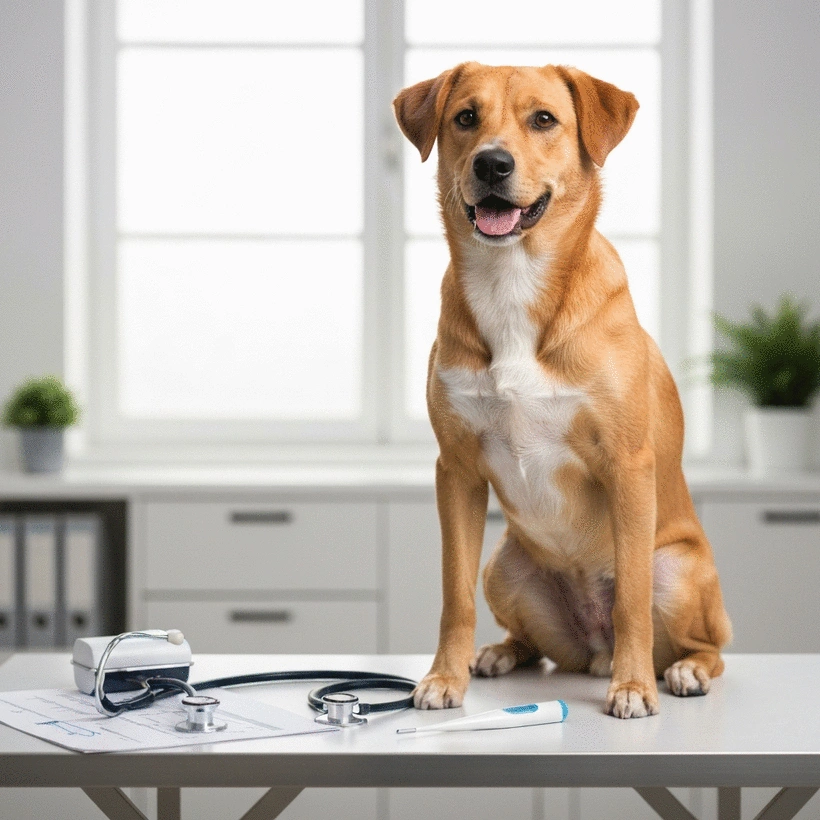
Regular veterinary check-ups are more than just a formality; they are a crucial investment in your dog's long-term health. Engaging in preventive care can lead to a longer, happier life for your furry friend.
What You Will Learn
- Understanding the importance of regular dog health screenings can prevent serious health issues.
- Preventive exams assess various aspects of your dog's health, including physical and emotional well-being.
- Certain health screening tests, like blood work and urinalysis, are vital for early disease detection.
- Vaccinations are essential in protecting your dog from infectious diseases and maintaining community health.
- Annual wellness exams help create a health baseline for your dog, enabling better monitoring as they age.
- Engaging with your veterinarian enhances your dog's health journey and encourages proactive care.
- Utilizing health tracking apps can provide valuable insights into your dog’s health and wellness.
- Preparation for vet visits, including gathering medical history and questions, maximizes the value of health screenings.
A Proactive Approach to Your Dog's Health
Preventive care and regular health screenings are vital for your dog's overall well-being and longevity. The following visual outlines the key types of health screenings and their importance. For a more comprehensive guide on maintaining your dog's health, check out our preventive care checklist for dogs.
Annual Wellness Exam
A comprehensive yearly check-up to assess overall health, behavior, and medical history, forming a health baseline for your dog.
- Physical Examination
- Weight Management
- Behavioral Assessment
Blood Tests (CBC & Biochemistry)
Detailed insights into organ function, hydration, and detection of infections like anemia.
- Evaluates red & white blood cells
- Assesses liver & kidney function
- Detects early health issues
Urinalysis & Fecal Tests
Crucial for understanding internal health, identifying kidney issues, UTIs, and parasites.
- Checks kidney function
- Detects intestinal parasites
- Identifies bacterial infections
Heartworm & Tick-Borne Disease Screening
Essential preventive practices, especially in endemic areas, to protect against fatal diseases.
- Detects heartworm infection
- Screens for Lyme disease
- Prevents serious illness
Understanding Dog Health Screening Tests and Their Importance
As a passionate veterinarian, I truly believe that understanding dog health screening tests is vital for every pet owner. Regular veterinary check-ups contribute significantly to a dog's overall health and longevity. By being proactive in our approach, we can catch potential health issues early, leading to better outcomes for our furry companions!
Many dog owners may not realize that these screenings are not just about treating illnesses; they’re about preventing them. In my experience, I have seen firsthand how regular examinations can help identify underlying conditions before they become serious. This means more time for play and less time worrying!
The Role of Preventive Exams in Dog Health
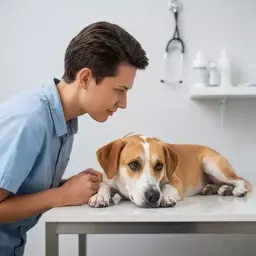
Preventive exams play a pivotal role in maintaining your dog's health. During these check-ups, we assess various aspects of your dog's well-being, including their weight, dental health, and even their emotional state. It's a comprehensive look that ensures your canine companion stays in tip-top shape.
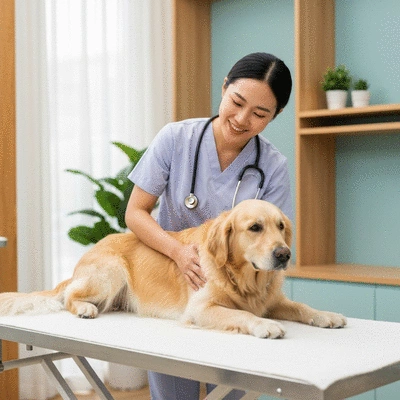
- Physical Exam: A thorough physical exam can reveal hidden health issues.
- History Review: Discussing your dog's lifestyle helps tailor care to their needs.
- Recommendations: Based on findings, we can suggest vaccinations, diet changes, or treatments.
It’s about more than just a check-up; it’s about building a lifelong wellness plan for your dog. Remember, a little time spent on preventive care can lead to a lifetime of health! For further details on how to recognize your dog's health needs, refer to this article: recognizing your dog's health needs.
What Are Dog Health Screening Tests?
Dog health screening tests are specialized assessments conducted by a veterinarian to monitor and evaluate your dog's health. These tests can range from blood work to imaging studies and are designed to detect diseases early on, often before symptoms arise.
- Blood Tests: These can identify issues with organs, blood counts, and more.
- Urinalysis: A urine test can reveal a lot about metabolic and kidney health.
- Fecal Tests: These help detect internal parasites or other gastrointestinal issues.
By conducting these tests, we can look for early signs of diseases such as diabetes, kidney problems, or even cancer. It’s a proactive step towards ensuring that your dog enjoys a healthy life for years to come!
The Importance of Vaccinations in Preventive Care
Vaccinations are another essential aspect of preventive care. They protect your dog from infectious diseases that can have serious health implications. For example, vaccines for parvovirus, distemper, and rabies are crucial for maintaining overall canine health.
- Protection: Vaccines help prevent serious illnesses that could be fatal.
- Community Health: By vaccinating your dog, you’re also contributing to the health of the community by preventing disease spread.
- Cost-Effective: Preventing sickness through vaccinations is often much cheaper than treating illnesses.
Vaccinations not only keep your dog safe but also ensure that they can enjoy their time at the park or with other pets. As a dog owner, it’s crucial to stay updated on vaccination schedules and discuss them during your vet visits!
Key Preventive Health Exams Recommended by Vets
Annual Wellness Exam: A Comprehensive Approach
An annual wellness exam is a comprehensive approach to maintaining your dog's health. This exam typically includes a physical examination, an assessment of your dog’s behavior, and a review of their medical history. It is during this time that I can recommend any necessary vaccines or preventative measures.
- Physical Exam: Checking vital signs and overall health.
- Weight Management: Assessing whether your dog is at a healthy weight.
- Behavioral Assessment: Understanding any changes in mood or behavior.
These exams allow us to build a health baseline for your dog, enabling better monitoring of their health as they age. Remember, an ounce of prevention is worth a pound of cure!
Blood Tests: Complete Blood Count and Biochemistry Profile
Blood tests, including a complete blood count (CBC) and biochemistry profile, are essential in diagnosing health issues. These tests provide detailed information about your dog’s organ function, hydration status, and overall health.
- Complete Blood Count (CBC): This test evaluates red and white blood cells, helping diagnose infections, anemia, or other conditions.
- Biochemistry Profile: This assesses enzymes, proteins, and other substances in the blood, offering insights into liver and kidney function.
By regularly monitoring these levels, we can detect health issues before they develop into more serious problems. It’s a great way to keep your dog healthy and happy!
Urinalysis and Fecal Tests: Assessing Internal Health
Urinalysis and fecal tests are crucial for understanding a dog’s internal health. A urinalysis helps us check for signs of diabetes, kidney issues, or urinary tract infections, while fecal tests can identify parasites that could be affecting your dog’s health.
- Urinalysis: Assesses kidney function and hydration levels.
- Fecal Tests: Helps check for intestinal parasites or bacterial infections.
These tests enable us to catch issues early, allowing for timely interventions that can significantly enhance your dog's quality of life!
Heartworm and Tick-Borne Disease Screening
Heartworm and tick-borne disease screenings are essential preventive practices for dogs, especially in certain climates. Heartworms are transmitted through mosquito bites and can be fatal if not detected early.

- Heartworm Tests: A simple blood test can determine if your dog has heartworms.
- Tick-Borne Disease Screening: Tests for diseases like Lyme disease and Anaplasmosis, which ticks can transmit.
Prevention is key! I recommend discussing heartworm prevention options with your vet during check-ups. Keeping your dog safe from these dangerous diseases is a priority!
Dental Check-Ups: An Essential Component of Health Screenings
Regular dental check-ups are just as important as any other health screening. Poor dental health can lead to severe consequences, such as heart or kidney disease.
- Oral Health Assessment: Evaluating your dog’s teeth and gums for any signs of disease.
- Professional Cleaning: Recommended annually to prevent buildup of tartar and plaque.
By prioritizing dental health, you’re helping to ensure your dog’s overall well-being. A healthy mouth can lead to a healthy body!
We Want to Hear From You!
As a pet owner, how do you prioritize your dog's health screenings? Share your thoughts below:
Making the Most of Your Dog's Health Screenings
Preparing for Your Vet Visit: What to Expect
Preparing for your dog's health screening can make the experience smoother and more informative. Start by gathering important information about your dog's medical history, including any recent changes in behavior, diet, or physical condition. This preparation allows your veterinarian to have a clearer picture of your dog's health.
Consider jotting down any questions you may have about specific health concerns or treatments. Here’s a simple list of questions to bring along:
- What tests will be performed during the screening?
- Are there any specific signs I should be monitoring at home?
- What vaccinations or preventive care do you recommend?
- How can I support my dog's health between visits?
By being proactive, you can maximize the value of your visit and make informed decisions about your furry friend’s health!
Post-Test Follow-Up: Understanding Results and Next Steps
Once the health screenings are complete, understanding the results is crucial. Your veterinarian will usually discuss the findings in detail, but it helps to know what to expect. Some results may show normal ranges, while others might indicate that further action is needed.
Here are a few steps to consider after receiving test results:
- Ask your vet to explain anything you don’t understand.
- Discuss any abnormalities and what they might mean for your dog's health.
- Inquire about follow-up tests or treatments if necessary.
Remember, timely follow-ups can lead to better health outcomes for your dog. Staying engaged with your veterinarian ensures that your dog's health remains a top priority.
Encouraging Preventive Health Care for Your Dog
Engaging with Your Veterinarian on Health Screenings
Communication with your veterinarian is key to your dog’s ongoing health journey. Don’t hesitate to share your concerns, even if they seem minor. I believe that a strong partnership between pet owners and veterinarians leads to better health outcomes.
Consider these points to enhance your dialogue:
- Be open about your dog's behavior and any changes you notice.
- Ask about diet, exercise, and other lifestyle factors that can impact health.
- Request educational materials or resources related to dog health.
Your veterinarian is there to help you navigate your dog’s health needs, so feel free to engage in conversations that can lead to proactive care!
Using Health Tracking Apps to Monitor Your Dog's Health
Technology can be a wonderful ally in managing your dog's health. Health tracking apps can help you monitor everything from diet and exercise to medications and vet visits. These tools can provide valuable insights, making it easier to spot trends or issues in your dog’s health over time.
Some popular features of health tracking apps include:
- Recording vet appointments and vaccination schedules.
- Tracking weight and dietary changes.
- Setting reminders for medications or preventive care.
Using these apps can empower you as a dog owner, making it easier to stay proactive about your furry friend’s health!
Call to Action: Schedule Your Dog’s Health Screening Today
Now is the perfect time to take action for your dog's health! Scheduling a health screening not only helps in early disease detection but also ensures your dog leads a longer, happier life. If you're unsure where to start, visit our Canine Health Guide for resources on finding a trusted veterinarian near you. Your furry friend deserves the best care!
Frequently Asked Questions About Dog Health Screenings
- Q: How often should my dog have a health screening?
- A: Most veterinarians recommend annual wellness exams and health screenings for adult dogs. Puppies and senior dogs may require more frequent visits.
- Q: What types of health issues can be detected through regular screenings?
- A: Regular screenings can detect a wide range of issues, including organ dysfunction (kidney, liver), infections (bacterial, parasitic, viral), metabolic diseases (diabetes), dental problems, and even early signs of certain cancers.
- Q: Are vaccinations considered part of health screenings?
- A: While not screening tests themselves, vaccinations are a crucial part of preventive care discussed and often administered during health screenings to protect against infectious diseases.
- Q: What should I bring to my dog's vet appointment for a health screening?
- A: It's helpful to bring your dog's medical history, a list of any changes in behavior or health you've observed, current medications, and any questions you have for the veterinarian.
- Q: Can I monitor my dog's health at home between vet visits?
- A: Yes, observing your dog's eating habits, energy levels, weight, and general demeanor can provide valuable insights. Health tracking apps can also assist in monitoring these aspects.
Recap of Key Points
- Regular veterinary check-ups are crucial for early detection and prevention of health issues in dogs.
- Preventive exams assess various aspects of health, including weight, dental health, and emotional well-being.
- Health screening tests such as blood tests, urinalysis, and fecal tests are essential for monitoring your dog's health.
- Vaccinations are important to protect dogs from infectious diseases and contribute to community health. For more on this, read Dog Vaccinations: Key Information for Owners.
- Annual wellness exams help establish a health baseline and monitor changes as your dog ages.
- Dental check-ups are vital, as poor dental health can affect overall well-being.
- Engaging actively with your veterinarian enhances your dog's health management and preventive care.
- Utilizing health tracking apps can help monitor your dog’s health and keep track of appointments and vaccinations.