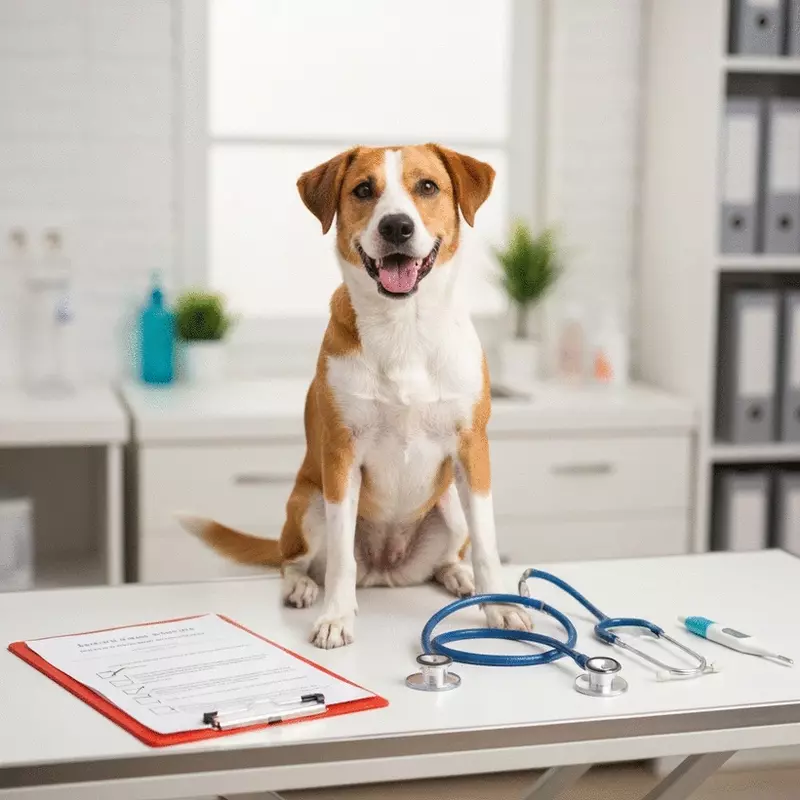
Breed-Specific Dog Health Tips

As a dog owner, understanding the intricacies of your pet's health can mean the difference between a happy life and a struggle. Are you aware of the specific health risks your dog might face based on their breed or environment? This article delves into essential insights that can empower you as a caretaker.
What You Will Learn
- Recognizing breed-specific health issues can help in early detection and preventive care.
- Genetic predispositions in certain breeds necessitate informed choices when selecting a dog.
- Identifying environmental allergies is crucial for maintaining your dog's quality of life.
- Engaging with veterinarians and local pet services enhances your dog's overall health management.
- Regular health screenings are vital for early detection of potential health issues.
- Utilizing downloadable resources like health checklists simplifies pet care routines.
Common Dog Health Concerns: A Visual Guide
This visual guide highlights key health considerations for dog owners, categorized by breed-specific predispositions, genetic influences, and environmental factors, offering actionable insights for proactive care. For a deeper understanding of various canine health issues, explore our comprehensive guide on health issues in dogs explained.
Breed-Specific Health Awareness
Different breeds are predisposed to specific conditions. Early awareness helps in proactive monitoring.
Genetic Influences
- Inherited traits from parents
- Certain breeds predisposed to diseases
- Reputable breeders prioritize health testing
Environmental Allergies
- Common triggers: pollen, dust mites
- Symptoms: itchy skin, ear infections
- Regular vet consultation for treatment
Preventative Health Care
- Annual wellness exams
- Dental health & cleanings
- Breed-specific health tests
Community & Support
- Engage with local pet services
- Join dog groups for socialization
- Seek advice from veterinarians
Understanding Common Dog Health Problems: What Every Owner Should Know
As a devoted dog owner, it's essential to recognize the common health problems that can affect our furry friends. Understanding these issues not only helps you keep your pet healthy but also empowers you to take proactive steps in their care. In this section, I’ll share insights that I've gathered over my years of experience as a veterinarian, focusing on the specific needs of different breeds.
Every dog is unique, and their health can be influenced by a variety of factors. This includes their breed, genetics, and environment. Let’s dive into these aspects to equip you with the knowledge you need to support your canine companion’s health!
The Importance of Breed-Specific Health Awareness
Being aware of your dog's breed-specific health issues is crucial. Each breed has unique traits that can predispose them to certain health conditions. For example, Labradors may be prone to hip dysplasia, while Pugs often face challenges with breathing due to their short snouts. Recognizing these potential problems allows you to monitor your dog more closely and seek veterinary advice when necessary. For more detailed information on specific breed health concerns, refer to our article on understanding breed-specific dog health.
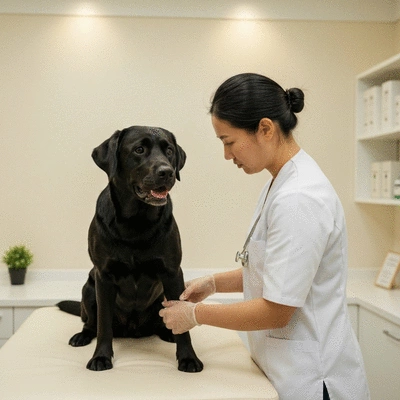
- Labrador Retrievers: Hip and elbow dysplasia
- Pugs: Brachycephalic airway syndrome
- Beagles: Ear infections and obesity
- French Bulldogs: Skin allergies and respiratory issues
By understanding these breed-specific challenges, you can tailor your dog's care and prevent potential health risks before they become serious issues.
How Genetics Influence Health Risks in Dogs
Genetics plays a significant role in the overall health of your dog. Just like humans, dogs inherit traits from their parents that can affect their health. For instance, certain breeds are genetically predisposed to specific diseases, such as heart disease in Cavalier King Charles Spaniels. This genetic awareness is essential when selecting a breed or evaluating your current dog's health.
To mitigate risks, consider the following:
- Choose reputable breeders who prioritize health testing
- Discuss your dog's family health history with your veterinarian
- Stay informed about breed-specific health issues
Your vigilance can make a significant difference in your dog's health journey! By understanding your dog's genetic background, you can make informed decisions about their health care.
Identifying Environmental Allergies and Their Impact on Dog Health
Environmental allergies are a common concern for many dogs, and recognizing the signs can help you take action early. Symptoms such as itchy skin, excessive scratching, and ear infections can indicate an allergic reaction to factors in their environment. Common allergens include pollen, mold, dust mites, and certain foods.
- Watch for signs of itching or paw chewing
- Monitor for sneezing or watery eyes
- Keep track of when and where symptoms occur
If you suspect your dog has allergies, consult your veterinarian for testing and treatment options. Taking these steps can significantly improve your dog's quality of life and help them live a happier, healthier life.
Pro Tip
To further enhance your dog's health, consider incorporating regular exercise into their routine. Not only does physical activity help maintain a healthy weight, but it also promotes mental stimulation and reduces anxiety. Aim for at least 30 minutes of exercise daily, which can include walks, playtime, or even agility training. A well-exercised dog is a happy dog!
Frequently Asked Questions About Dog Health
What are the most common health problems in dogs?
Common health problems include breed-specific conditions like hip dysplasia in Labradors, brachycephalic airway syndrome in Pugs, ear infections in Beagles, and skin allergies in French Bulldogs. Environmental allergies and genetic predispositions also play a significant role.
How can I identify if my dog has environmental allergies?
Look for symptoms such as itchy skin, excessive scratching, paw chewing, ear infections, sneezing, or watery eyes. Keeping a record of when and where these symptoms occur can help your veterinarian diagnose the issue.
Why are breed-specific health issues important to know?
Each breed has unique genetic predispositions to certain health conditions. Awareness of these specific risks allows for proactive monitoring, early detection, and tailored preventive care, potentially averting serious health problems.
How often should my dog visit the veterinarian?
Annual wellness exams are generally recommended for all dogs to monitor overall health, stay updated on vaccinations, and discuss any breed-specific concerns or nutritional advice. Puppies and senior dogs may require more frequent visits.
What role do genetics play in my dog's health?
Genetics significantly influence a dog's health by predisposing them to certain inherited diseases. Choosing reputable breeders who conduct health testing and discussing your dog's family health history with your vet can help mitigate these risks.
Your Next Steps in Dog Health Prevention
As a dedicated dog owner, taking proactive steps in your pet's health care can make all the difference! At Canine Health Guide, we aim to empower you with the knowledge and resources necessary for optimal canine health. Here’s how you can take the next steps in ensuring your furry friend stays healthy and happy.
Utilizing Veterinary Resources for Optimal Care
Your veterinarian is your best ally in navigating your dog's health. Regular check-ups can help catch potential issues early, which is why I always recommend scheduling a visit at least once a year. During these appointments, don't hesitate to ask questions about your dog's specific breed needs!
- Stay updated on vaccinations and preventative treatments.
- Discuss breed-specific health concerns and how they apply to your dog.
- Inquire about nutritional advice tailored for your dog's age and breed.
Remember, your vet's expertise is invaluable. They can provide you with information and resources that cater specifically to your dog's health requirements. Engaging with them regularly will help maintain your pet's overall wellbeing.
Engaging with Local Pet Services: Finding Support in Your Community
Community resources can be incredibly helpful in your journey toward better dog health! Consider reaching out to local pet services that can provide additional support. From dog trainers to groomers, these professionals can offer insights that enhance your dog's quality of life.
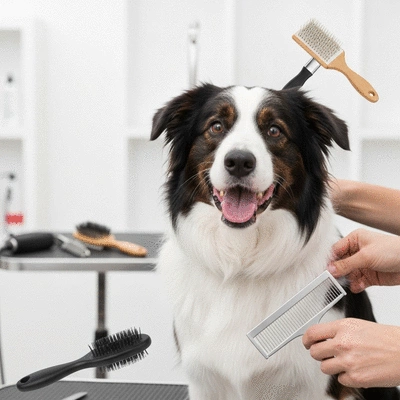
- Find a reputable pet grooming service that understands your dog’s specific needs.
- Look for local trainers who specialize in behavioral therapy if your dog struggles with anxiety.
- Join community dog groups for socialization and shared experiences.
By connecting with local services, you can create a supportive network that enriches your dog’s life—making every outing or training session a fun experience for both of you!
Understanding the Importance of Regular Health Screenings
Just like us, our dogs benefit from regular health screenings! These screenings can help detect early signs of health issues and pave the way for timely intervention. I can’t stress enough how crucial these visits are for maintaining your dog's health! For a structured approach to preventive care, consider using a preventive care checklist for dogs.
- Schedule annual wellness exams to monitor overall health.
- Discuss dental health and the importance of regular cleanings.
- Ask about specific tests relevant to your dog's breed and age.
Committing to regular health screenings not only helps in preventing serious conditions but also ensures that you stay informed about any changes in your dog's health status. Together, we can work toward a longer, healthier life for your canine companion!
Downloadable Resources and Interactive Tools
At Canine Health Guide, we believe in equipping you with the best tools to care for your dog. That’s why we offer a variety of downloadable resources to assist you in your pet care journey.
Free Checklists for Preventative Health Care
Our preventative health care checklists are designed to help you keep track of important tasks. Having a list can simplify your dog care routine! Here’s what you can expect:
- Vaccination schedules and reminders.
- Nutrition guidelines tailored to your dog's needs.
- Routine health check tasks like grooming and dental care.
By utilizing these checklists, you can ensure that nothing falls through the cracks when it comes to your dog’s health.
Interactive Symptom Checkers: Empowering Pet Owners
Wondering if your dog’s behavior indicates an underlying issue? Our interactive symptom checkers can help! These tools allow you to input signs and symptoms, guiding you toward understanding potential health concerns.
- Quickly assess common symptoms and their implications.
- Get personalized suggestions for when to visit the vet.
- Access informative articles based on your findings.
With these resources, you can take a proactive approach to your dog’s health and make informed decisions!
Guides on Dog Vaccinations and Preventative Treatments
Understanding vaccinations and preventative treatments is essential for every dog owner. At Canine Health Guide, we provide comprehensive guides to help you navigate this important aspect of dog care.
- Learn about core and non-core vaccinations.
- Understand the timing and frequency of vaccinations.
- Explore preventative treatments for parasites and other common issues.
These guides will empower you with the knowledge you need to keep your dog protected and healthy throughout its life!
Join the Conversation: Share Your Experiences
Engaging with fellow dog owners can be a rewarding experience! At Canine Health Guide, we encourage you to join the conversation and share your personal insights and stories.
Encouraging Community Engagement Through Shared Stories
Your experiences can inspire others! Whether it’s a triumph over a health challenge or a fun training story, sharing can create a sense of community. Here’s how you can get involved:
- Post your story on our community forum.
- Join our social media discussions with tips and tricks.
- Participate in local dog events or meetups.
By sharing, we can learn from one another and support each other in our pet ownership journeys!
Seeking Advice: Questions to Ask Your Veterinarian
When you visit your vet, it’s essential to come prepared! Having a list of questions can help you make the most of your appointment. Here are some key questions to consider:
- What vaccines does my dog need at this age?
- How do I manage my dog’s weight effectively?
- What signs of illness should I watch for?
Asking the right questions ensures you gather the information necessary for your dog’s health and wellbeing!
Finding Support for Canine Anxiety and Behavioral Issues
Many dogs struggle with anxiety or behavioral issues, and it’s important to know that you’re not alone in this. Seeking support can make a world of difference! If you're looking for natural solutions, explore natural ways to calm dogs.
- Connect with local trainers who specialize in behavior modification.
- Join online forums to share tips and experiences.
- Consider professional help if needed—behaviorists can provide expert guidance.
Taking these steps can help you and your dog thrive, creating a happier and healthier bond!
Recap of Key Points
Here is a quick recap of the important points discussed in the article:
- Recognize breed-specific health issues to monitor and prevent potential problems.
- Understand the influence of genetics on your dog's health to make informed decisions.
- Identify environmental allergies by observing symptoms like itching or sneezing.
- Schedule regular veterinary check-ups for early detection of health issues.
- Engage with local pet services for additional support and community resources.
- Utilize downloadable resources like health checklists to stay organized in your pet care routine.
- Participate in community discussions to share experiences and learn from other dog owners.