Dog Vaccinations: Key Information for Owners
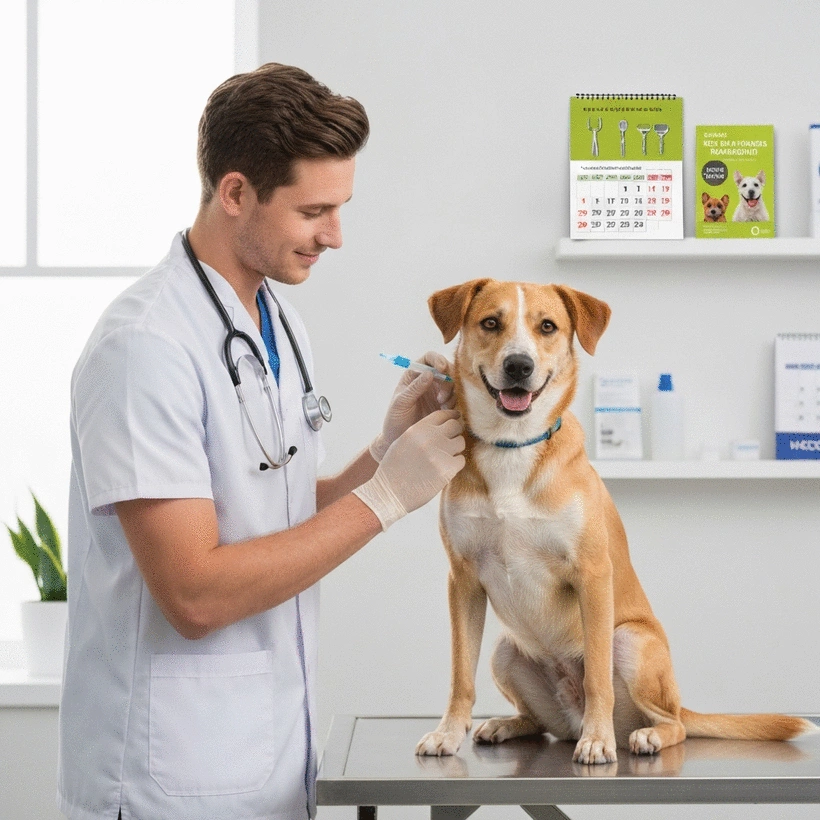
As you embark on the journey of dog ownership, understanding the critical role of vaccinations in your pet's health can empower you to make informed decisions. Did you know that well-vaccinated dogs not only enjoy longer lives but also contribute to the overall health of their community? Let's dive into the essential insights that every dog owner should know about vaccinations.
What You Will Learn
- Vaccinations are vital for preventing serious diseases that can affect your dog's quality of life.
- Core vaccines, such as rabies and parvovirus, are essential for all dogs and should be prioritized.
- Non-core vaccines may be necessary based on your dog's lifestyle and environment, helping to address specific health risks.
- Regular vaccinations not only protect your dog but also reduce the risk of outbreaks within the canine community.
- Consulting with your veterinarian is crucial for developing a personalized vaccination schedule tailored to your dog's needs.
- Staying informed about vaccination updates can help you adapt your dog's healthcare as needed for optimal health.
Essential Dog Vaccinations Overview
Understanding core versus non-core vaccinations and their importance for your dog's health.
Core Vaccines (Essential for All Dogs)
- Rabies
- DA2PPv (Distemper, Adenovirus, Parvovirus, Parainfluenza)
- Bordetella (often considered core due to high contagiousness)
Protect against severe, common, and highly contagious diseases.
Non-Core Vaccines (Lifestyle-Dependent)
- Leptospirosis
- Lyme disease
- Canine Influenza
Recommended based on dog's lifestyle, environment, and risk factors.
Understanding Dog Vaccinations: Essential Insights for Every Dog Owner
As a dog owner, understanding vaccinations is crucial for ensuring your furry friend's health and well-being! Vaccinations play a vital role in protecting against serious diseases that can impact your dog's quality of life. In this section, we’ll explore what dog vaccinations are, their importance, and how they fit into your dog's overall health plan. It's important to be aware of various health issues in dogs to understand why these preventative measures are so critical.
What Are Dog Vaccinations and Why Are They Important?
Dog vaccinations are injections that help protect your canine companion from various infectious diseases. These vaccines work by stimulating your dog's immune system to recognize and fight off specific pathogens. Thus, when your dog encounters these diseases in the future, their body is prepared to combat them effectively.

Understanding the importance of vaccinations is essential. They not only protect your dog but also contribute to the overall health of the canine community. Vaccinations can prevent outbreaks of contagious diseases, ensuring that many dogs can live healthy and happy lives!
- Vaccinations are crucial for preventing serious health conditions.
- They help reduce the spread of diseases among dogs.
- Many places require vaccinations for dogs to participate in social settings like parks or boarding facilities.
As a veterinarian, I've seen firsthand how devastating these diseases can be. By keeping your dog's vaccinations up to date, you're giving them the best chance at a long, healthy life.
The Role of Core and Non-Core Vaccines in Your Dog’s Health
Vaccines are generally categorized into core and non-core vaccines. Core vaccines are essential for all dogs, as they protect against severe diseases that are common and highly contagious, such as rabies and parvovirus. In contrast, non-core vaccines may be recommended based on your dog's lifestyle, environment, and risk factors. For instance, a dog that frequently visits rural areas may benefit from the Lyme disease vaccine.
Knowing which vaccines are core for your dog is key to their health. Let’s break down the types of vaccines:
- Core Vaccines: Rabies, DA2PPv, and Bordetella.
- Non-Core Vaccines: Leptospirosis, Lyme disease, and Canine influenza.
Consulting with your veterinarian is the best way to determine which vaccines are necessary for your dog based on their unique circumstances. This proactive approach is part of a comprehensive preventive care checklist for dogs that every owner should follow.
Canine Health Issues Prevented by Vaccinations
Vaccinations are the frontline defense against a variety of canine health issues. For instance, rabies is a fatal viral infection that can be transmitted to humans, making vaccination not only a health necessity for your dog but also a legal requirement in many areas. Additionally, parvovirus can lead to severe gastrointestinal distress and is often fatal without prompt treatment.
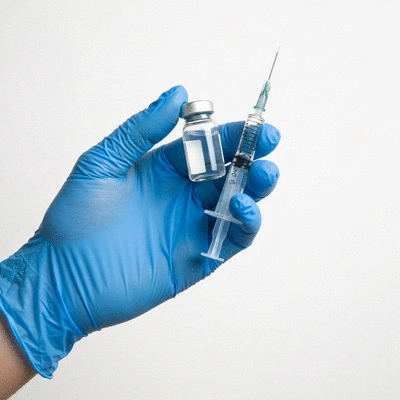
Other crucial issues that can be prevented through vaccination include:
- Canine distemper: A contagious disease that affects multiple body systems.
- Bordetella: The primary cause of kennel cough, which is highly contagious in communal settings.
- Canine adenovirus: This causes infectious canine hepatitis, leading to serious liver damage.
By prioritizing vaccinations, you're taking a proactive stance in safeguarding your dog against these serious health threats. It’s a small investment for peace of mind that pays off in healthier, happier years with your furry friend!
Pro Tip
To ensure your dog receives the best protection from vaccinations, create a vaccination calendar. This will help you keep track of when each vaccine is due, as well as any follow-up appointments with your veterinarian. Staying organized not only streamlines the process but also ensures your furry friend remains healthy and protected throughout their life.
Frequently Asked Questions About Dog Vaccinations
What are the most important vaccinations for my dog?
The most important vaccinations are called "core vaccines," which include Rabies and DA2PPv (Distemper, Adenovirus, Parvovirus, Parainfluenza). Bordetella is also often considered core due to its high contagiousness. These protect against common, severe, and highly contagious diseases.
What is the difference between core and non-core vaccines?
Core vaccines are essential for all dogs, protecting against severe and widespread diseases. Non-core vaccines are recommended based on your dog's lifestyle, environment, and risk factors, such as Leptospirosis, Lyme disease, or Canine Influenza.
How do vaccinations protect my dog?
Vaccinations work by exposing your dog's immune system to weakened or inactive forms of pathogens. This stimulates the immune system to produce antibodies, preparing the body to effectively fight off the actual disease if encountered in the future.
Why is it important to keep my dog's vaccinations up to date?
Keeping vaccinations up to date protects your dog from potentially fatal diseases, prevents the spread of contagious illnesses within the canine community, and can save you from significant veterinary expenses associated with treating preventable diseases.
Should I consult my veterinarian about my dog's vaccination schedule?
Absolutely. Your veterinarian is the best resource for developing a personalized vaccination plan tailored to your dog's age, breed, lifestyle, and local disease prevalence. They can recommend which core and non-core vaccines are most appropriate.
Summarizing the Importance of Comprehensive Vaccination for Dogs
As we’ve explored throughout this article, vaccination is a critical aspect of your dog’s health. Comprehensive vaccination not only protects your furry friend from serious diseases but also contributes to overall community health. With the right immunizations, you can help ensure your dog lives a longer, healthier life. Remember, vaccinations are a proactive approach to pet care that can save you from future health issues and expenses!
Key Takeaways on Vaccination Schedules and Costs
Understanding the details surrounding vaccination schedules and costs is essential for every dog owner. Here are some key takeaways to keep in mind:
- Core vaccines are essential for all dogs and include rabies and the DA2PPv combo shot.
- Non-core vaccines can be beneficial based on your dog’s lifestyle and risk factors.
- Staying up-to-date with vaccinations can prevent costly health issues down the line.
- Consulting your vet will help determine the best vaccination plan tailored to your dog.
By keeping these points in mind, you’re better equipped to navigate your dog’s vaccination journey. As an informed pet owner, you can make choices that align with your dog’s specific health needs.
Encouraging Responsible Dog Ownership Through Knowledge
Knowledge is power when it comes to being a responsible dog owner. By educating yourself about vaccinations, you’re taking an active role in your dog’s health and well-being. I always encourage fellow pet owners to ask questions during vet visits and seek out reliable resources. This proactive approach not only improves your dog’s health but fosters a strong bond between you and your furry companion.
As part of my mission at Canine Health Guide, I aim to empower dog owners with comprehensive information, ensuring that you have the tools necessary for making informed decisions. Together, we can pave the way for a healthier future for our beloved pets!
Next Steps for Dog Owners: Ensuring Your Dog’s Health and Safety
Consult with Your Veterinarian for Personalized Vaccination Plans
The first step in ensuring your dog’s health is to schedule a consultation with your veterinarian. They can create a tailored vaccination plan based on your dog's age, breed, and lifestyle. This personalized approach is vital to address specific health risks your dog may face.
Stay Informed: Keeping Up with Vaccination and Health Updates
Health recommendations and vaccination guidelines can change, so it’s essential to stay informed. Regularly check with your veterinarian and reputable resources like Canine Health Guide to keep abreast of the latest information. Being proactive means you can adjust your dog’s vaccination schedule as needed.
Utilizing Pet Wellness Plans for Ongoing Health Care
Consider enrolling your dog in a pet wellness plan that covers vaccinations and preventative care. These plans often include regular vet visits, vaccinations, and may even offer discounts on other services. By investing in your pet's health care, you are taking a significant step towards their long-term wellness! Ensuring proper nutrition is also key to overall health, and you can learn more about nutritional supplements for dogs to support their immune system.
At Canine Health Guide, we’re here to support you in these endeavors. Together, we can ensure that our dogs lead happy, healthy lives!
Recap of Key Points
Here is a quick recap of the important points discussed in the article:
- Vaccinations are vital for preventing serious diseases and ensuring your dog's health.
- Core vaccines, such as rabies and DA2PPv, are essential for all dogs, while non-core vaccines may be necessary based on lifestyle.
- Keeping vaccinations up to date can prevent costly health issues and contribute to community health.
- Regular consultations with your veterinarian help create personalized vaccination plans tailored to your dog's needs.
- Staying informed about health updates and utilizing pet wellness plans can significantly enhance your dog’s long-term care.