Choosing the Right Psychiatric Service Dog
Research shows that having a psychiatric service dog can greatly enhance mental health and quality of life. What if you could have a dedicated companion to help you navigate the challenges of anxiety, depression, or PTSD?
What You Will Learn
- Understand the unique role and training requirements of psychiatric service dogs (PSDs).
- Differentiate between psychiatric service dogs and emotional support animals (ESAs) in terms of training and legal rights.
- Explore the significant health benefits that owning a PSD can provide, including reduced anxiety and improved social interaction.
- Learn how to create a decision framework for choosing the right psychiatric service dog based on your specific needs.
- Identify important factors and criteria for selecting a dog that fits your lifestyle and mental health requirements.
- Recognize scenarios where a psychiatric service dog may not be the best solution and the importance of responsible dog ownership.
Psychiatric Service Dog vs. Emotional Support Animal Comparison
Understanding the key differences between Psychiatric Service Dogs (PSDs) and Emotional Support Animals (ESAs) is crucial for identifying the best support for mental health needs. This comparison highlights their distinct characteristics. For more information on health-related topics, you can explore our article on health issues in dogs explained.
Understanding Psychiatric Service Dogs: Your Comprehensive Guide
Welcome to a journey into the world of psychological support through our furry friends! Here at Canine Health Guide, we’re dedicated to empowering dog owners with knowledge about their pets' roles in mental health support. In this section, we’ll delve into what constitutes a psychiatric service dog, how they differ from emotional support animals, and the health benefits they offer. Let’s explore this fascinating topic together!
Defining a Psychiatric Service Dog and Its Role in Mental Health
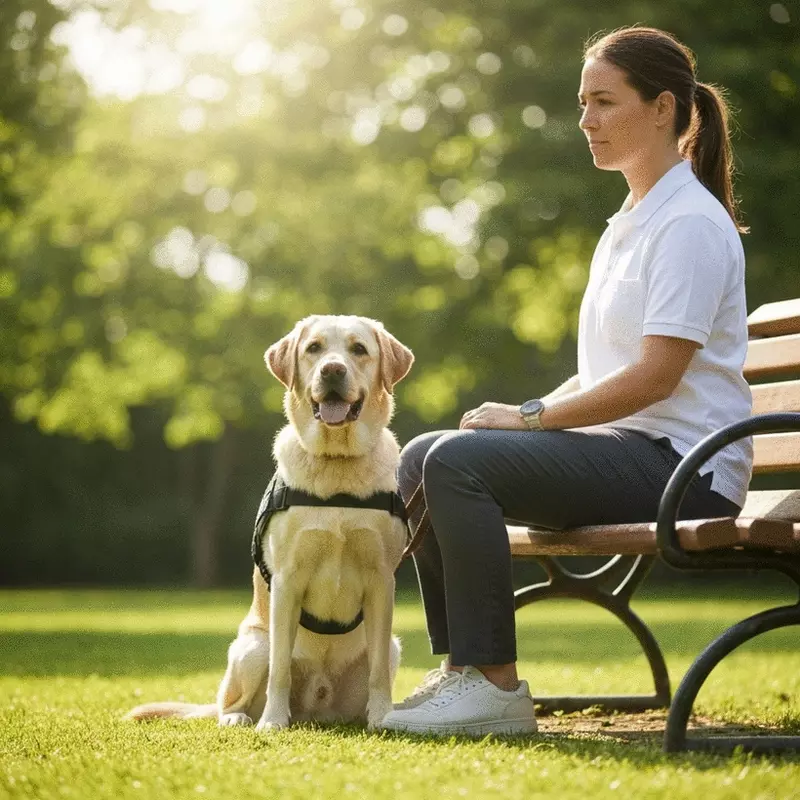
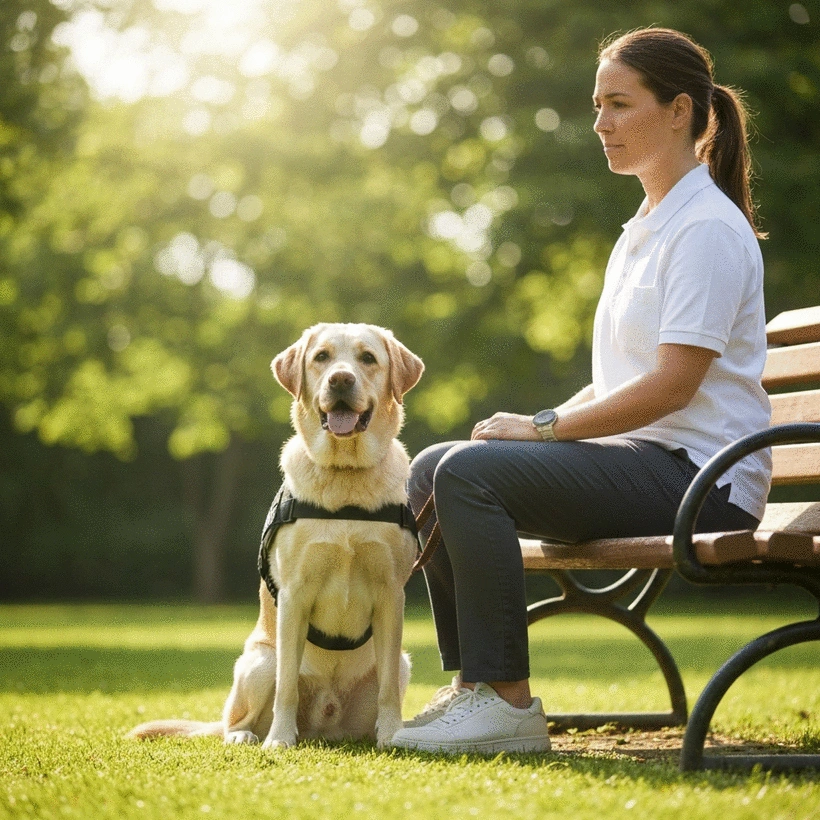
A psychiatric service dog (PSD) is specifically trained to assist individuals with mental health conditions. These can include anxiety, depression, post-traumatic stress disorder (PTSD), and other emotional challenges. Unlike regular pets, psychiatric service dogs have a unique role; they perform specific tasks that mitigate their handler’s disabilities. This may involve alerting their owner to anxiety attacks, providing deep pressure therapy, or even interrupting harmful behaviors.
- Alerting the handler during episodes of anxiety or panic
- Providing physical support during emotional distress
- Creating a sense of safety and comfort in public settings
These dogs are not just companions; they are trained professionals in their own right, providing critical support tailored to an individual’s needs. Understanding their roles can help you recognize how a PSD might enhance your or a loved one’s mental health journey.
Difference Between Psychiatric Service Dogs and Emotional Support Animals
While both psychiatric service dogs and emotional support animals (ESAs) offer comfort, they serve different purposes. PSDs are trained to perform specific tasks related to their handler’s mental health, whereas ESAs provide companionship and emotional support without specialized training. Here's a quick breakdown of their differences:
- Training: PSDs undergo rigorous training for specific tasks; ESAs do not.
- Legal Rights: PSDs have the right to access public spaces under ADA regulations; ESAs have limited rights.
- Function: PSDs actively assist with mental health conditions; ESAs primarily provide comfort through companionship.
These distinctions are crucial for dog owners and handlers seeking the right type of support. At Canine Health Guide, we aim to clarify these roles, ensuring that dog owners can make informed decisions about their mental health needs. For those interested in the rigorous process of training these specialized companions, our article on training mental health service dogs provides further insights.
Health Benefits of Having a Psychiatric Service Dog
Having a psychiatric service dog can significantly improve the overall well-being of individuals facing mental health challenges. These remarkable animals provide not only emotional support but also various health benefits that can enhance quality of life. Here are some key advantages:
- Reduced Anxiety: The presence of a PSD can lower anxiety levels and offer a calming effect.
- Increased Physical Activity: Dogs encourage regular walks and play, which boost overall physical health.
- Improved Social Interactions: Many handlers find it easier to engage with others when accompanied by their service dog.
As a veterinarian, I’ve seen firsthand how these benefits can transform lives, offering not only companionship but also tangible improvements in mental and physical health. Understanding the profound impact a psychiatric service dog can have is essential for anyone considering this life-changing partnership.
Frequently Asked Questions About Psychiatric Service Dogs
Interactive Poll: Your Experience Matters!
Have you or someone you know benefited from the support of a psychiatric service dog? We’d love to hear your thoughts! Please share your experiences below:
Practical Steps for Choosing the Right Psychiatric Service Dog
When it comes to selecting a psychiatric service dog, it's crucial to approach the decision with a clear understanding of your unique needs and lifestyle. As a veterinarian, I've seen how important it is for dog owners to tailor their choices to what will truly benefit them. Creating a thoughtful decision framework can help you consider all the essential aspects before bringing a new furry friend into your life!
Creating a Decision Framework Based on Your Needs
To make an informed choice, start by listing your specific mental health needs and how a psychiatric service dog can assist. Consider the following factors:
- Your mental health condition: What specific challenges do you face? Understanding this can guide you in selecting a dog with the right temperament.
- Daily routine: Think about how much time you can dedicate to training and the dog's needs.
- Living situation: Do you have a yard or access to outdoor space? This can affect the breed you choose.
- Allergies: If anyone in your household has allergies, consider hypoallergenic breeds.
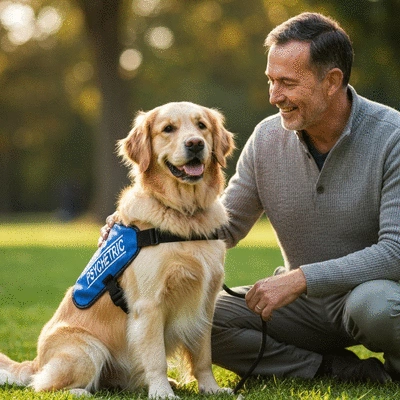
By reflecting on these points, you can build a personalized framework that will serve as your guide throughout the selection process. This clarity is essential for ensuring a harmonious bond between you and your new companion!
Utilizing Breed Comparison Tables for Informed Choices
To simplify your selection process, consider using breed comparison tables. These tables can provide valuable insights at a glance. Here’s what to look for:
- Temperament: How calm or energetic is the breed?
- Trainability: Is the breed known for being easy to train?
- Size: Does the size of the dog suit your living environment?
- Health issues: Are there common breed-specific health concerns to be aware of?
By comparing these characteristics, you can make a more informed decision that aligns with both your lifestyle and your mental health needs.
Dog Selection Criteria: Factors to Consider Before Choosing
Once you have your framework and have utilized breed comparisons, it's time to dive into the selection criteria. Here are some important factors to keep in mind:
- Age: Puppies require more time and effort in training compared to adult dogs, who may already have some skills.
- Health status: Ensure the dog is healthy and free from any common ailments that could affect its performance as a service dog.
- Compatibility: Spend time with potential dogs to gauge their personality and how they mesh with you.
- Support from trainers: Consider working with a professional trainer experienced in psychiatric service dogs to assess the dog's suitability.
Choosing the right dog is a significant decision, and taking the time to evaluate these criteria will not only enhance your chances of success but also ensure a fulfilling companionship!
Encouraging Responsible Dog Ownership and Ethical Considerations
Owning a psychiatric service dog is a rewarding experience, but it also comes with responsibilities. It’s essential to approach this endeavor with a mindset of ethical consideration and care.
When a Psychiatric Service Dog May Not Be the Right Solution
While psychiatric service dogs can provide incredible support, they may not be the ideal solution for everyone. Here are some scenarios where it may be worth reconsidering:
- Severe allergies to dogs that cannot be managed.
- Living situations that do not allow pets.
- A need for intensive support that may be better met through human professionals.

Understanding these limitations can help prevent potential issues and ensure that you make the best choice for your mental health journey.
Building a Supportive Environment for Your Service Dog
Creating a nurturing environment is crucial for your psychiatric service dog’s success. Here are some ways to foster this supportive atmosphere:
- Ensure your home is a safe space free from hazards.
- Establish routines that provide stability for both you and your dog.
- Encourage socialization with other dogs and people to enhance their confidence.
By cultivating a supportive environment, you’ll not only help your service dog thrive but also deepen the bond between you two!
Veterinary Care and Nutrition for Your Psychiatric Service Dog
Maintaining your service dog’s health is vital to their ability to assist you effectively. Regular veterinary care and proper nutrition are essential components of this. Consider these key aspects:
- Regular vet check-ups: Schedule annual physicals to monitor your dog’s health.
- Balanced diet: Consult your veterinarian about the best diet tailored to your dog’s needs.
- Preventive care: Stay on top of vaccinations, flea, and tick prevention. For a comprehensive approach to your dog's well-being, explore our preventive care checklist for dogs.
By prioritizing your service dog’s health, you ensure they remain a reliable source of support for your mental well-being.
Take Action: Begin Your Journey to Mental Health Support
Embarking on the journey to find the right psychiatric service dog is an exciting and transformative step. I invite you to take action and explore the resources available for your mental health support!
Next Steps: Evaluating Programs and Finding a Service Dog Provider
Choosing a reputable service dog provider is pivotal. Research different programs, look for reviews, and ask questions about their training methods. Look for programs that prioritize the welfare of their dogs and your specific needs!
Getting Started: Resources for Further Information and Support
There are numerous resources out there to guide you in your journey. Websites such as Canine Health Guide offer valuable insights into dog care, health, and training. Don't hesitate to reach out for more information or support as you begin this transformative experience!
Support Groups and Mental Health Resources for Dog Handlers
Connecting with others who have similar experiences can be incredibly beneficial. Look for local support groups for dog handlers, which can offer a sense of community. Sharing stories and tips can empower you in your journey to better mental health with your new companion! If you are considering supplements for dog anxiety relief, it's wise to discuss this with your veterinarian or a qualified specialist to ensure it aligns with your dog's overall health plan.
Recap of Key Points
Here is a quick recap of the important points discussed in the article:
- A psychiatric service dog (PSD) is specifically trained to assist individuals with mental health conditions, performing tasks that mitigate disabilities.
- Unlike emotional support animals, PSDs have specific training and legal rights under ADA regulations.
- Health benefits of PSDs include reduced anxiety, increased physical activity, and improved social interactions.
- Choosing the right service dog involves considering your mental health needs, daily routine, and living situation.
- A supportive environment, regular veterinary care, and proper nutrition are essential for the well-being of your service dog.
- Connecting with support groups can be beneficial for dog handlers on their mental health journey.