Natural Probiotics for Dog Health
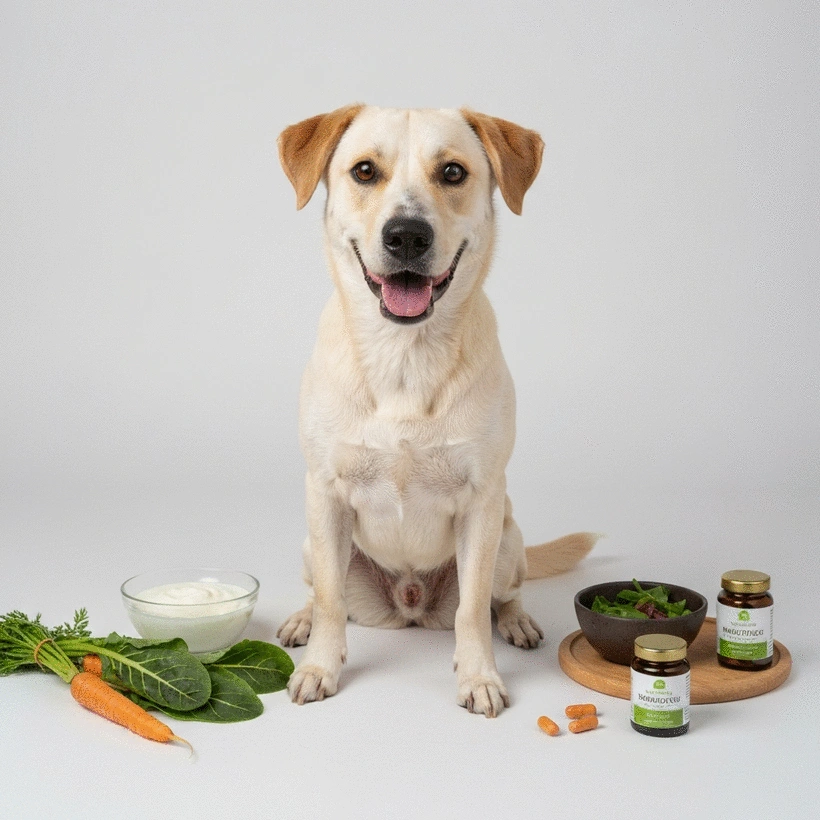
Did you know a large portion of your dog’s immune system resides in their gut? Supporting their gut health is more than just a dietary choice; it's a pathway to overall well-being. Discover how natural probiotics can transform your dog's health, enhancing not just their digestive system but their happiness as well!
What You Will Learn
- Natural probiotics are beneficial microorganisms that support your dog's digestive health and overall well-being.
- Incorporating natural sources of probiotics, like yogurt and kefir, can enhance nutrient absorption and immune function.
- Regular consumption of probiotics can lead to improved digestion, firmer stools, and reduced gastrointestinal discomfort.
- A healthy gut microbiome can also positively influence your dog's mood and behavior, reducing anxiety and stress.
- It's essential to consult with your veterinarian to determine the best probiotic options and dosages for your dog's specific health needs.
The Science of Natural Probiotics for Dogs
Delve into the key aspects of natural probiotics, understanding their sources, benefits, and how they compare to commercial alternatives for canine health. Providing your dog with proper nutritional supplements for dogs can significantly enhance their overall well-being.
Probiotic Benefits for Dogs
DIGESTIVE HEALTH
Improved digestion, firmer stools, less gas & bloating, reduced diarrhea.
IMMUNE SUPPORT
A robust immune response to fight infections, reduced inflammation.
MOOD STABILITY
Positive influence on behavior, emotional well-being, reduced anxiety.
NUTRIENT ABSORPTION
Enhanced ability to absorb vital nutrients from food.
Natural Probiotic Sources
Yogurt (Plain, Unsweetened)
Rich in beneficial bacteria, avoid artificial sweeteners.
Kefir (Fermented Milk)
Packed with diverse probiotics, a tasty health boost.
Fermented Vegetables (e.g., Sauerkraut)
Introduce slowly, ensure no spices or harmful additives.
Probiotic Dosage Guidelines
Small Breeds
1-2 billion CFUs daily
Medium Breeds
3-5 billion CFUs daily
Large Breeds
5-10 billion CFUs daily
Natural vs. Commercial Probiotics
Natural
- Rich in nutrients
- Broader bacterial range
- Often more palatable
Commercial
- Convenient, targeted
- Standardized dosages
- Specific health focus
*Always consult a vet for tailored advice on probiotic choices.
Understanding Natural Probiotics for Dog Gut Health
Natural probiotics are live microorganisms that can offer significant health benefits to your dog, primarily by supporting a healthy gut microbiome. These beneficial bacteria play a crucial role in maintaining digestive balance and overall well-being. Just like us, dogs rely on a diverse array of gut bacteria to help process food, absorb nutrients, and even regulate their immune system. Incorporating natural probiotics into your dog's diet can lead to happier, healthier pets!
What Are Natural Probiotics and Their Role in Dog Health?
In simple terms, natural probiotics are foods that contain live beneficial bacteria. These include options like yogurt, kefir, and fermented vegetables. They help maintain a harmonious balance in the gut, which is essential for optimal health. Healthy gut bacteria contribute to better digestion, enhanced nutrient absorption, and improved immune response, making them a valuable addition to any dog's diet.
- Promote digestive health
- Enhance nutrient absorption
- Support immune function
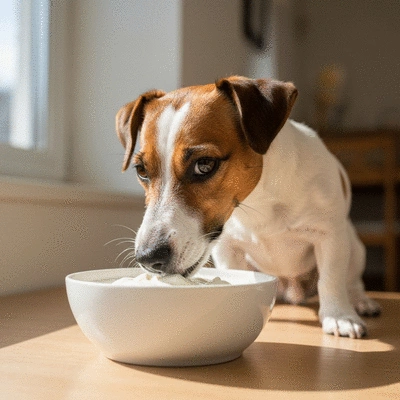
By nourishing your dog's gut microbiome, you can help prevent various health issues and promote longevity. It's important to understand that not all probiotics are created equally, which is why I emphasize the use of natural sources whenever possible. For a broader understanding of common health issues in dogs, consider exploring this resource.
Key Benefits of Natural Probiotics for Dogs
Improved Digestion and Stool Quality
One of the most notable benefits of natural probiotics is their ability to enhance digestion. Dogs that consume probiotics often experience firmer stools and less digestive upset. This is especially beneficial if your furry friend tends to have a sensitive stomach or struggles with irregular bowel movements.
- Increased nutrient absorption
- Reduction in gas and bloating
- Fewer instances of diarrhea
By fostering a healthier digestive system, you can help your dog feel more comfortable and energetic throughout the day!
Support for the Immune System
Did you know that a large portion of your dog’s immune system resides in their gut? A healthy gut microbiome is vital for a robust immune response. Natural probiotics can help maintain an optimal balance of gut bacteria, which, in turn, supports your dog's ability to fight off infections and diseases.
By investing in your dog's gut health, you are essentially investing in their overall well-being. A balanced gut can lead to a more resilient immune system, keeping your four-legged friend happy and healthy!
Reduction of Inflammation and Diarrhea
Natural probiotics are also effective in managing inflammation and digestive disturbances, including diarrhea. If your dog is prone to gastrointestinal issues, incorporating probiotics could provide relief. They work by restoring the natural balance of bacteria in the gut, which can help alleviate symptoms of discomfort.
- Decrease in digestive inflammation
- Shortened duration of diarrhea
- Improved gut barrier function
It’s amazing how such small organisms can make such a big difference in your dog’s life!
Mood Stability Through the Gut-Brain Axis
Finally, let’s not overlook the connection between gut health and mood. Recent research suggests that a healthy gut can positively influence your dog’s behavior and emotional well-being. Probiotics may help stabilize mood and reduce anxiety, which is particularly beneficial in stressful situations or during changes in routine.
By promoting a balanced gut microbiome, you can support not just your dog’s physical health but also their emotional health. This is crucial for maintaining a happy and well-adjusted pet!
Natural Sources of Probiotics for Dogs
Top Natural Probiotic Foods
When it comes to incorporating probiotics into your dog’s diet, there are several delicious and nutritious options you can consider:
- Yogurt: Plain, unsweetened yogurt is a fantastic choice. Just make sure it doesn't contain any artificial sweeteners.
- Kefir: This fermented milk drink is packed with probiotics and can be a tasty treat for your dog.
- Fermented Vegetables: Foods like sauerkraut or kimchi (without spices) can be beneficial, but introduce them slowly!
Integrating these foods into your dog's meals can significantly boost their gut health. It's like giving them a little gift every day!
The Role of Prebiotics in Enhancing Probiotic Effectiveness
While probiotics are essential, don’t forget about their allies—prebiotics! These are non-digestible fibers that feed the good bacteria in your dog’s gut. Incorporating prebiotic-rich foods can enhance the effectiveness of probiotics. Some excellent sources of prebiotics include:
- Sweet potatoes
- Bananas
- Oats
- Chicory root
By combining both probiotics and prebiotics in your dog’s diet, you're creating a balanced environment in their gut, which fosters optimal health!
We Want to Hear From You!
How do you incorporate probiotics into your dog's diet? Share your experiences or challenges below:
Evaluating Commercial Probiotic Products for Dogs
When it comes to your dog's gut health, you may wonder whether to opt for natural probiotics or choose from the numerous commercial probiotic supplements available on the market. Both options have distinct advantages and potential drawbacks, making it essential to consider what's best for your furry friend.
Natural probiotics, derived from foods like yogurt and fermented vegetables, often come with beneficial nutrients and a broader range of bacterial strains. However, commercial probiotic supplements can be more convenient, offering targeted formulations designed to address specific health concerns. To help you make an informed decision, let’s break down the pros and cons of each. For insights into general preventive care for dogs, this comprehensive checklist can be very helpful.
Comparing Natural Probiotics to Commercial Probiotic Supplements
- Natural Probiotics: Rich in various nutrients, often more palatable, and promote a diverse gut microbiome.
- Commercial Supplements: Convenient, standardized dosages, and tailored to specific health needs.
- Considerations: Natural options may be less concentrated, while commercial products can lack some of the additional nutrients found in whole foods.
Ultimately, the choice between natural and commercial probiotics will depend on your dog's unique health needs and your lifestyle as a pet owner. At Canine Health Guide, we emphasize the importance of informed choices, so take the time to evaluate what aligns best with your dog's dietary preferences!
Recommended Probiotic Products and Brands
If you decide to explore commercial probiotic options, several reputable products stand out. Here’s a list of some trusted brands I recommend:
- Honest Paws: Known for its high-quality ingredients and effectiveness in promoting healthy digestion.
- PetHonesty: Offers a variety of probiotic formulations that target specific health concerns.
- Vet’s Best: A veterinarian-formulated brand that combines probiotics with other health-supporting ingredients.

Each of these brands brings unique benefits to the table, so consider your dog's specific health conditions and preferences when selecting a probiotic product.
Understanding the Role of Probiotic Foods for Dogs
Incorporating probiotic foods into your dog's diet is just as important as supplementing with commercial products. These foods not only introduce beneficial bacteria but also contribute to a more balanced diet.
Here are some common probiotic-rich foods that can be beneficial for your dog's gut health:
- Plain Yogurt: A fantastic source of probiotics; just ensure it's unsweetened and free of artificial additives.
- Kefir: This fermented milk drink contains a wide range of beneficial bacteria.
- Fermented Vegetables: Options like sauerkraut (in moderation) can be a good supplement to your dog’s meals.
By integrating these probiotic foods into your dog’s diet, you can help maintain a healthy gut microbiome, enhancing their overall well-being and happiness.
FAQ: Natural Probiotics for Dogs
Here are some frequently asked questions about natural probiotics for dogs:
- What are natural probiotics for dogs?
Natural probiotics are live beneficial microorganisms found in certain foods that support your dog's digestive health and overall well-being by maintaining a balanced gut microbiome. - What are the main benefits of giving my dog natural probiotics?
Natural probiotics can lead to improved digestion, firmer stools, enhanced nutrient absorption, a stronger immune system, reduced inflammation, and even better mood stability. - What are some natural sources of probiotics for dogs?
Excellent natural sources include plain, unsweetened yogurt, kefir (fermented milk), and certain fermented vegetables like sauerkraut (introduced slowly and without harmful additives). - How do prebiotics relate to probiotics?
Prebiotics are non-digestible fibers that act as food for the beneficial bacteria (probiotics) in your dog's gut, enhancing their effectiveness. Examples include sweet potatoes, bananas, and oats. - Should I consult my vet before giving my dog probiotics?
Yes, it is highly recommended to consult your veterinarian before starting any new probiotic regimen, especially for puppies or senior dogs, to determine the appropriate type and dosage for your dog's specific needs.
Safety, Dosage, and Veterinary Insights
General Dosage Guidelines for Different Breeds
When it comes to probiotics, understanding the right dosage is crucial for effectiveness. Generally, dosages can vary based on your dog’s size, breed, and specific health concerns. As a guideline:
- Small Breeds: 1-2 billion CFUs daily
- Medium Breeds: 3-5 billion CFUs daily
- Large Breeds: 5-10 billion CFUs daily
It's essential to adjust these guidelines based on your dog's individual needs. Always consult with your veterinarian to determine the most appropriate dosage for your furry companion!
Consulting Your Veterinarian: When to Seek Advice
Before starting any new probiotic regimen, I strongly encourage you to consult your veterinarian. This is especially important for puppies or senior dogs, as they may have specific health concerns that require tailored approaches. Your vet can help guide you on the right probiotics and dosages to ensure your dog remains happy and healthy.
Veterinary Research on Probiotics and Dog Health Issues
Recent veterinary research has shed light on the significant role probiotics play in addressing common dog health issues. Studies have shown that probiotics can help manage conditions like:
- Diarrhea and gastrointestinal upset
- Allergies and skin issues
- Weight management in overweight dogs
By staying informed on these findings, you can make proactive decisions that enhance your dog's overall health and quality of life! Understanding your dog's health needs is key to providing them with the best care.
Recap of Key Points
Here is a quick recap of the important points discussed in the article:
- Natural probiotics support a healthy gut microbiome, which is essential for your dog's overall health.
- Incorporating foods like yogurt, kefir, and fermented vegetables can promote better digestion and nutrient absorption.
- Natural probiotics can enhance your dog's immune function and help manage digestive issues like diarrhea and inflammation.
- Combining probiotics with prebiotics can create a balanced gut environment, fostering optimal health.
- Always consult your veterinarian to determine the best probiotic options and dosages for your dog's specific needs.