Pug Nutrition Tips for Health
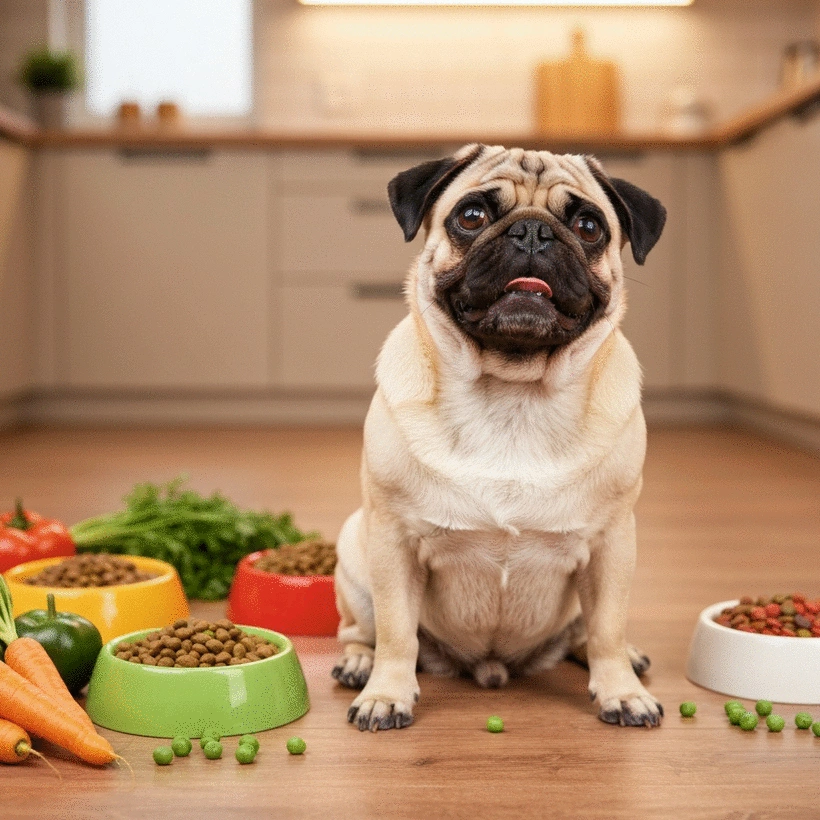
Have you considered how pivotal nutrition is for your pug's health? A well-balanced diet can significantly enhance their well-being, prevent health issues, and contribute to a vibrant life. Let's explore the essential nutritional insights that every pug owner should know!
What You Will Learn
- A balanced diet is crucial in preventing obesity and other health issues common in pugs.
- Understanding the essential nutrients—proteins, fats, carbohydrates, vitamins, and minerals—is key to optimal pug health.
- Portion control and monitoring ingredients can help manage health issues like skin allergies and digestive disturbances.
- Consulting with a veterinarian can lead to personalized dietary recommendations for your pug's unique needs.
Pug Dietary Needs: Key Nutrients & Health Links
This visual summarizes essential nutrients for pugs and common health issues that can be mitigated through proper diet.
Essential Nutrients for Pugs
- Proteins: Muscle health & growth
- Fats: Energy, skin & coat health
- Carbohydrates: Energy & digestion
- Vitamins & Minerals: Bodily functions, overall health
Common Health Issues Linked to Diet
- Obesity: Lack of portion control
- Skin Allergies: Sensitivity to ingredients
- Digestive Disturbances: Low-quality food
Pug Dog Nutrition: Understanding Your Pug's Dietary Needs
As a devoted pug owner, understanding your pet's unique dietary needs is essential for their health and happiness. Nutrition plays a pivotal role in maintaining your pug’s overall well-being, affecting everything from energy levels to susceptibility to health issues. It's crucial to provide a balanced diet tailored to their specific requirements to ensure a long and vibrant life!
At Canine Health Guide, I’m passionate about educating dog owners like you on the best practices for your furry friends. Let’s delve into why nutrition matters for pugs and how it can make a significant difference in their lives.
Why Nutrition Matters for Pugs
Nutrition is the foundation of your pug's health. A well-balanced diet helps prevent numerous health issues and supports their growth and development. Pugs are prone to obesity, respiratory problems, and skin conditions—many of which can be mitigated through proper nutrition. By selecting quality ingredients and monitoring their intake, you can ensure your pug thrives! For a broader understanding of common canine health challenges, explore general health issues in dogs explained.
- Supports healthy weight management
- Enhances skin and coat health
- Boosts immune function
- Promotes optimal digestion
Every meal should nourish your pug and contribute to their vitality, making it vital to choose foods rich in essential nutrients.
Common Health Issues in Pugs Linked to Diet
Understanding the health challenges specific to pugs can guide you in making better dietary choices. Here are a few common health issues related to diet:
- Obesity: Pugs often love food, and without careful portion control, they can quickly gain weight.
- Skin Allergies: Many pugs are sensitive to certain ingredients, leading to skin irritations and allergies.
- Digestive Disturbances: Pugs are known for their sensitive stomachs, which can be affected by low-quality food.
By being aware of these issues, you can proactively choose a diet that minimizes health risks and supports your pug's well-being.
Essential Nutrients Every Pug Needs for Optimal Health
To keep your pug in top shape, their diet should include key nutrients that support their unique physiological needs. Here’s a list of essential nutrients:
- Proteins: Vital for muscle health and overall growth.
- Fats: Provide energy and support skin and coat health.
- Carbohydrates: Essential for energy and digestive health.
- Vitamins and Minerals: Support various bodily functions and promote overall health.
Always look for dog foods that are specifically formulated with these nutrients, ensuring they meet the needs of your beloved pug!
Pro Tip
When selecting food for your pug, consider looking for brands that offer a limited ingredient diet. This type of diet can help minimize allergic reactions and digestive issues, especially for pugs that are prone to sensitivities. Always introduce new foods gradually and monitor your pug for any adverse reactions!
Summarizing Key Dietary Insights for Pugs
As we wrap up our discussion on Pug nutrition, it’s essential to highlight some key strategies that can significantly improve your pug's health. Nutrition plays a critical role in managing common health issues, and understanding these can empower you as a pet owner. Have you taken notes on what might benefit your furry friend? Let's recap!
Recap of Nutrition Strategies for Health Issues
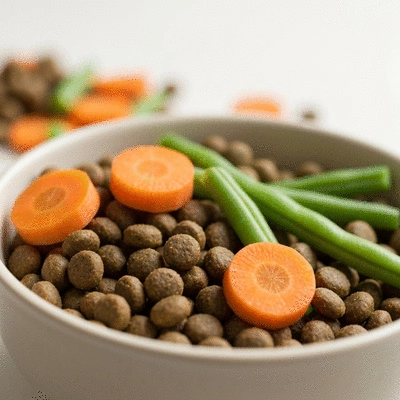
- Portion control is crucial for preventing obesity and its associated health risks.
- Specialized diets can help manage skin allergies and sensitivities.
- Incorporating supplements like glucosamine and omega-3s supports joint health. For more information on supplements, check out our guide on nutritional supplements for dogs explained.
- Monitoring ingredients in food can help identify potential allergens.
These strategies are just the tip of the iceberg! Tailoring your pug's diet to their specific needs can lead to a healthier, happier life. As I often tell my clients at Canine Health Guide, nutrition isn't one-size-fits-all; it requires a personalized approach.
Importance of Tailored Feeding for Pugs
Every pug is unique, and their dietary needs can vary based on age, weight, and health status. For example, puppies require different nutrients compared to senior pugs. By adjusting feeding practices, we can support their individual health needs. Have you thought about how you can tailor your pug’s meals?
- Consider age-appropriate foods for puppies and seniors.
- Look for breed-specific formulations that cater to pugs.
- Incorporate real food ingredients that your pug loves and tolerates.
By focusing on customized diets, you’re not just feeding your pug; you’re investing in their quality of life. Every meal can be an opportunity to enhance their well-being, and I encourage you to embrace this journey!
Understanding Dog Feeding Guidelines for Optimal Health
Following feeding guidelines is essential for maintaining your pug's health. These guidelines provide a framework for how much and how often to feed your dog. It's important to note that these are general recommendations and should be adjusted based on your pug's specific needs.
- Always measure food portions using a scale or measuring cup.
- Feed according to your pug's weight and activity level.
- Keep a consistent feeding schedule to promote healthy digestion.
As you consider these guidelines, remember that regular vet check-ups are key! Discussing your pug’s diet with a veterinarian can offer tailored insights that align with their health profile. For a comprehensive approach to your dog's overall well-being, reviewing a preventive care checklist for dogs can be highly beneficial.
Frequently Asked Questions About Pug Nutrition
- Q: What are the most common diet-related health issues in pugs?
- A: Pugs are prone to obesity due to their love for food, skin allergies from ingredient sensitivities, and digestive disturbances often caused by low-quality food. Proper nutrition is key to mitigating these issues.
- Q: What essential nutrients should be included in a pug's diet?
- A: A pug's diet should include a balance of proteins for muscle health, fats for energy and a healthy coat, carbohydrates for energy and digestion, and a range of vitamins and minerals for overall bodily functions.
- Q: How can I prevent obesity in my pug?
- A: Preventing obesity involves strict portion control, regular monitoring of food intake, and ensuring their diet is balanced. Consulting with your vet for personalized feeding guidelines based on your pug's activity level and weight is also crucial.
- Q: Is a limited ingredient diet beneficial for pugs?
- A: Yes, a limited ingredient diet can be very beneficial for pugs, especially those prone to skin allergies or sensitive stomachs. It helps minimize exposure to potential allergens and can make it easier to identify ingredients that cause adverse reactions.
- Q: When should I consult a veterinarian or veterinary nutritionist about my pug's diet?
- A: It's always a good idea to consult your veterinarian for personalized dietary recommendations, especially if your pug has existing health conditions, specific allergies, or if you're considering a significant diet change. A veterinary nutritionist can provide specialized meal plans for complex nutritional needs.
Taking Action: Ensure Your Pug's Optimal Health
Now that you have a solid understanding of how nutrition impacts your pug’s health, it’s time to take action! Ensuring your pug's optimal health involves more than just feeding; it’s about being proactive and informed.
Consulting with Your Veterinarian on Nutrition
One of the best steps you can take is consulting with your veterinarian about your pug's dietary needs. Your vet can provide personalized recommendations that consider your pug's health history and lifestyle. Have you scheduled a nutrition consultation yet?
- Discuss any health concerns related to your pug's diet.
- Ask about the best food options for specific health issues.
- Get expert advice on portion sizes and feeding schedules.
By working closely with your veterinarian, you're taking a fundamental step toward making informed dietary choices.
Exploring Product Recommendations for Pug Diets
In today’s market, there are numerous products tailored for pugs. From specialized kibble to delicious wet food, knowing what to look for can simplify your shopping. I always recommend looking for foods that prioritize quality ingredients!
- Choose brands that offer transparency in their ingredient sourcing.
- Consider products that are formulated specifically for brachycephalic breeds.
- Explore options with added nutrients for skin and joint health.
By selecting the right products, you’re ensuring that your pug receives the best possible nutrition.
The Role of Veterinary Nutritionists in Pug Care
Lastly, don't underestimate the value of veterinary nutritionists! They specialize in pet diets and can help navigate complex nutritional needs. If you're considering a diet change or if your pug has specific health challenges, consulting a nutritionist might be beneficial.
- They can provide tailored meal plans based on your pug's health status.
- Nutritionists can help manage food allergies through elimination diets.
- They offer guidance on transitioning to homemade or raw diets safely.
With the right support, you can make significant strides in optimizing your pug's health through nutrition. Let’s work together to help your pug thrive!
Recap of Key Points
Here is a quick recap of the important points discussed in the article:
- Nutrition is fundamental for preventing health issues in pugs, including obesity, skin allergies, and digestive disturbances.
- A balanced diet rich in proteins, fats, carbohydrates, vitamins, and minerals is essential for optimal health.
- Portion control and monitoring ingredients can help manage your pug's weight and food sensitivities.
- Consulting with a veterinarian can provide tailored dietary recommendations based on your pug's health status.
- Choosing high-quality, breed-specific foods can significantly enhance your pug's overall well-being.